
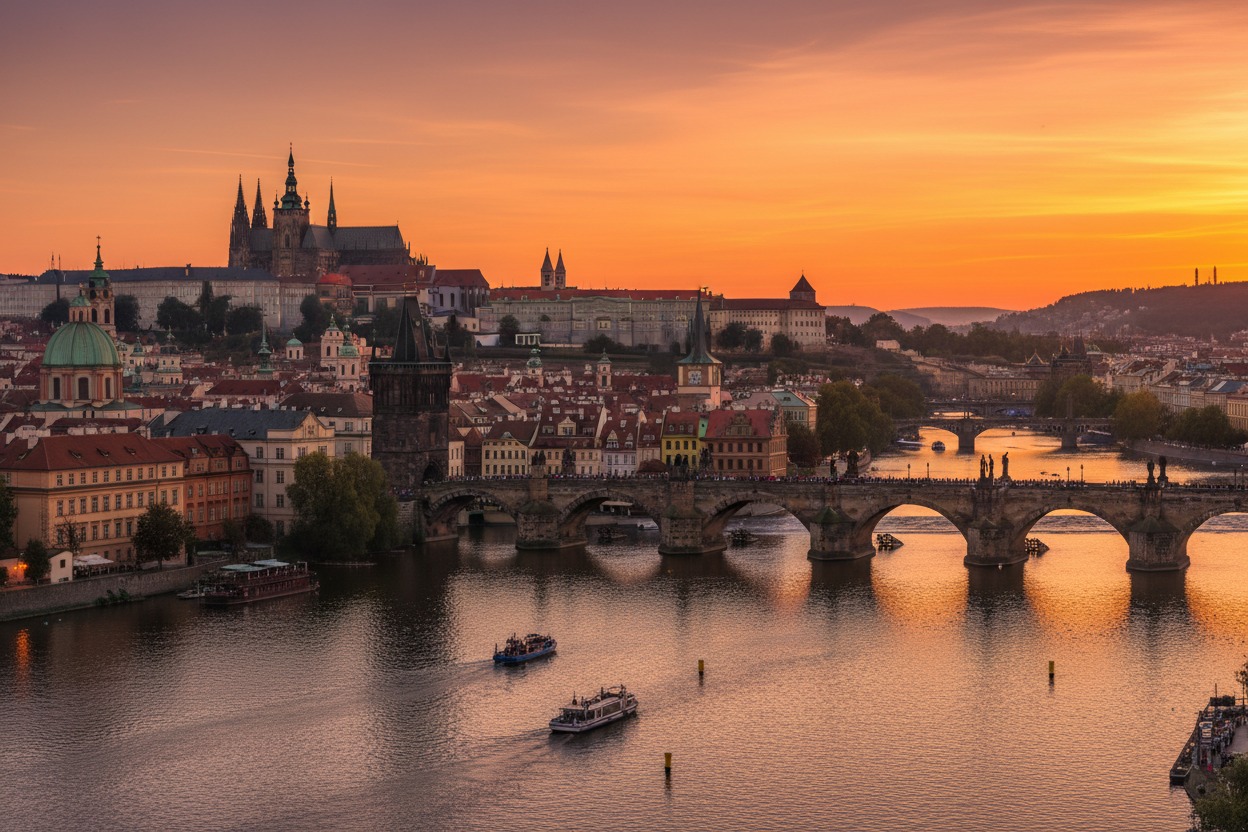
Prague is one of Europe’s most beautiful historic capitals, known for its medieval streets, dramatic castle skyline, and famous beer culture. This guide explains how to plan the perfect Prague trip, including where to stay, what to see, and how to structure a short city break.
Quick Facts About Prague
Prague is the capital of the Czech Republic and one of Europe’s most visually striking historic cities. Its skyline of Gothic towers, baroque churches, and medieval bridges has remained remarkably well preserved, giving the city the feel of a living architectural museum.
For first-time visitors, Prague is also relatively compact compared with many European capitals. Most major landmarks sit within walking distance of the historic centre, making it an ideal destination for a short city break.
Language: Czech
Currency: Czech Koruna (CZK)
Airport: Václav Havel Airport Prague (PRG)
Best Trip Length: 2–3 days for highlights, 3–4 days for a relaxed city break
City Character: One of Europe’s best preserved medieval capitals, known for Gothic architecture, historic bridges, and traditional beer culture
Why Visit Prague
Prague consistently ranks among Europe’s most beautiful capitals. Unlike many major cities that suffered heavy damage during the Second World War, Prague’s historic centre survived largely intact. As a result, visitors can experience the city’s medieval street patterns, Gothic towers, and baroque architecture much as they developed over centuries.
Three defining characteristics explain why travellers are drawn to Prague.
One of Europe’s Best Preserved Historic Cities
Prague’s Old Town and surrounding districts contain an extraordinary concentration of historic buildings.
Highlights include:
- Gothic churches and towers
- Baroque palaces and monasteries
- medieval bridges
- grand historic squares
Walking through the historic centre often feels like stepping into a preserved medieval cityscape.
The Prague Castle Skyline
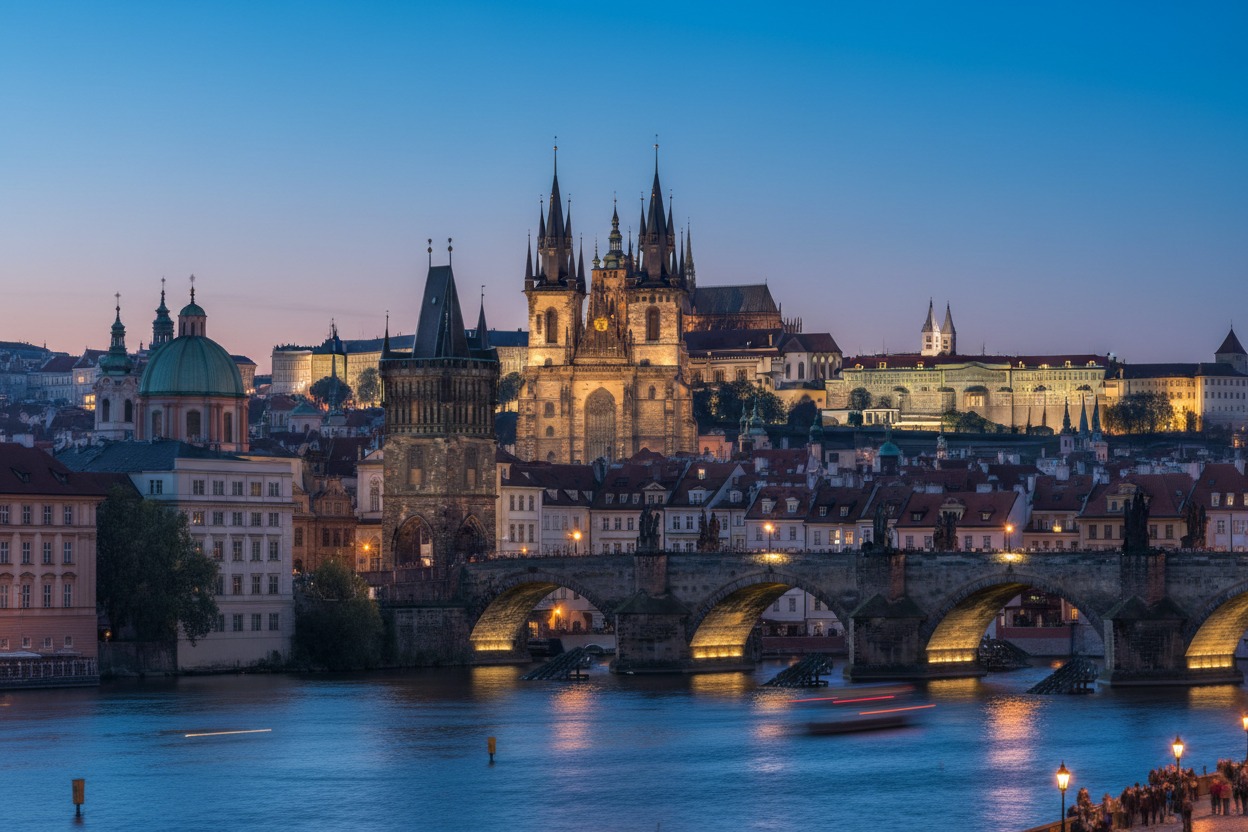
Prague Castle dominates the skyline from its hilltop above the Vltava River.
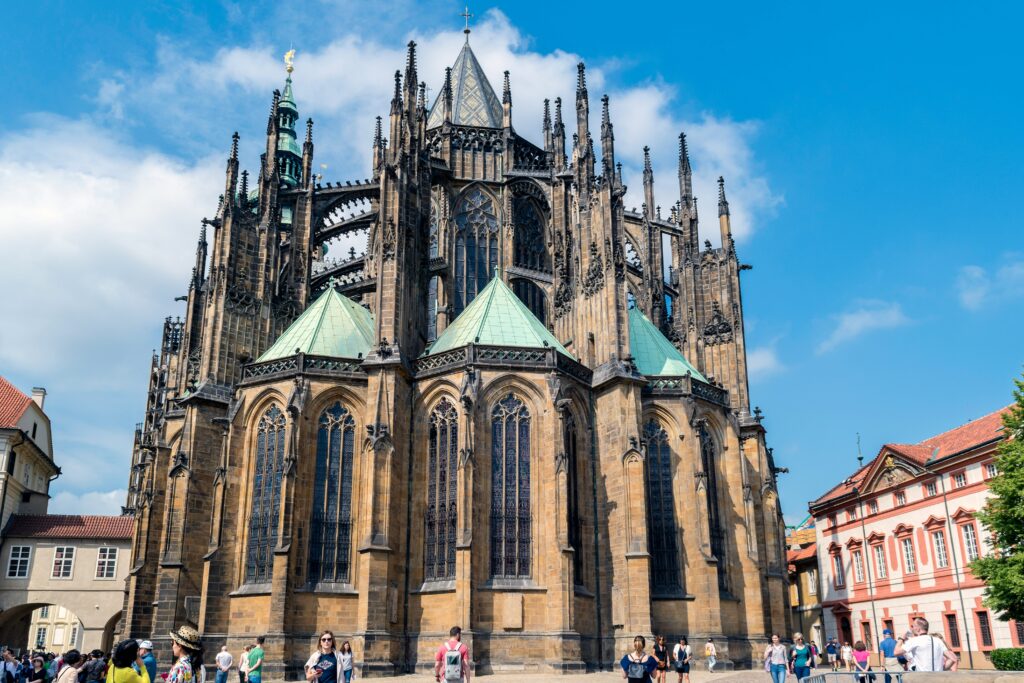
Within the castle complex stands St Vitus Cathedral, the most significant Gothic structure in the Czech Republic. Its towering spires and intricate stained-glass windows make it one of the most recognisable landmarks in Central Europe.
From viewpoints across the city, the castle and cathedral combine to create one of Europe’s most dramatic historic skylines.
A Capital of Beer Culture
The Czech Republic has one of the strongest beer traditions in the world.
The country is the birthplace of pilsner-style lager, a beer style that later became the most widely brewed beer in the world. Prague’s historic taverns and beer halls continue this tradition, serving locally brewed lagers in relaxed social settings.
For many travellers, exploring Prague’s traditional pubs and beer halls is an essential part of experiencing the city’s culture.
Is Prague Worth Visiting?
For travellers planning a European city break, Prague is widely considered one of the most rewarding destinations.
The city offers a rare combination of architectural beauty, cultural history, and vibrant social life. Unlike larger capitals such as London or Paris, Prague’s historic centre is compact and highly walkable, allowing visitors to explore many major landmarks within a relatively small area.
Travellers often choose Prague for:
- its preserved medieval architecture
- scenic views along the Vltava River
- iconic landmarks such as Prague Castle and Charles Bridge
- traditional Czech beer culture
- lively evening atmosphere
Compared with many other European capitals, Prague often feels more romantic and visually dramatic thanks to its historic skyline and narrow cobbled streets.
Travellers who tend to enjoy Prague the most include:
- architecture lovers
- romantic city-break travellers
- cultural travellers
- beer enthusiasts
- visitors seeking a short but memorable European city break
Because the city attracts millions of visitors each year, it can become busy during peak seasons. However, outside the busiest hours, Prague’s historic districts remain one of the most atmospheric urban landscapes in Europe.
Who This Prague Trip Is Best For
Prague strongly appeals to travellers interested in history, architecture, and cultural city experiences.
Ideal for Architecture Lovers
Few European cities display such a wide range of preserved historic architecture.
Visitors can see:
- Gothic cathedrals
- Renaissance buildings
- Baroque churches
- medieval streets and bridges
all within a relatively compact area.
Ideal for Romantic City Breaks
With its historic bridges, river views, and dramatic skyline, Prague is often considered one of Europe’s most romantic capitals.
Evening walks along the Vltava River or across Charles Bridge are particularly memorable.
Ideal for Beer Enthusiasts
The Czech Republic has the highest beer consumption per capita in the world, and Prague’s traditional beer halls remain central to the city’s culture.
Travellers interested in tasting local lagers and visiting historic taverns will find Prague especially appealing.
Ideal for Short European City Breaks
Because Prague’s historic centre is compact and walkable, the city works particularly well for trips lasting two to four days.
Visitors can experience many of the city’s most important landmarks without extensive travel between districts.
Less Ideal for Travellers Seeking Quiet Destinations
Prague’s popularity means areas such as Old Town Square and Charles Bridge can become crowded, especially during the summer months.
Travellers seeking remote or nature-focused destinations may prefer quieter regions outside major European capitals.
Understanding Prague’s Historic Districts
Prague’s historic centre is organised around the Vltava River, which divides the city into eastern and western districts.
Understanding how these areas relate geographically helps visitors plan efficient itineraries. Charles Bridge connects the historic districts on either side of the river, while Prague Castle rises above the western bank overlooking the entire city.
For most first-time visitors, the key decision is how to prioritise time between the castle district and the historic Old Town areas. Short trips typically focus first on Old Town and Prague Castle, while longer visits allow time to explore additional neighbourhoods and viewpoints.
Old Town (Staré Město)
Old Town forms the historic tourist centre and contains many of Prague’s most famous landmarks.
Highlights include:
- Old Town Square
- the Astronomical Clock
- medieval streets and churches
- historic market squares
Most first-time visitors spend a large portion of their time here because it contains the highest concentration of major attractions.
Malá Strana
Malá Strana lies on the western bank of the Vltava River directly beneath Prague Castle.
This district is known for:
- baroque palaces and churches
- quiet cobbled streets
- scenic viewpoints toward the river and Old Town
Travellers often explore Malá Strana when walking from Charles Bridge toward Prague Castle. Visitors who enjoy quieter historic streets often find this district more atmospheric than Old Town.
New Town (Nové Město)
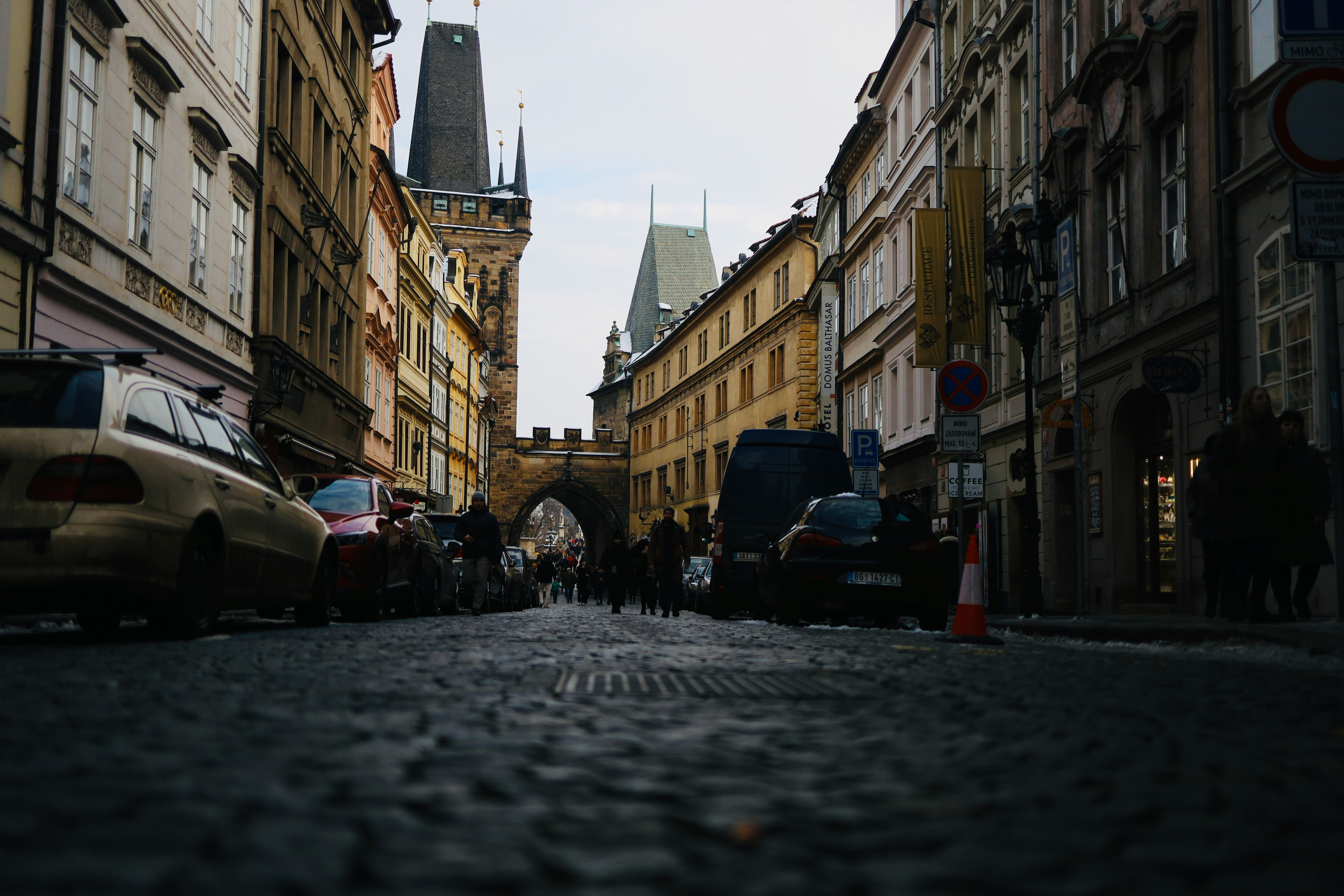
Despite its name, New Town dates back to the 14th century.
Today it functions as Prague’s commercial and nightlife district. It contains:
- Wenceslas Square
- shopping streets
- restaurants and bars
- nightlife venues
Visitors interested in nightlife, restaurants, and modern city life often spend evenings in this district.
Prague Castle District
Prague Castle sits on a hill overlooking the historic centre and forms one of the largest castle complexes in the world.
Within the castle grounds visitors can explore:
- St Vitus Cathedral
- royal palaces
- courtyards and historic buildings
- panoramic terraces overlooking Prague
Because of its elevated position, the castle also offers some of the best views across the city’s historic skyline.
Historic Landmarks of Prague
Prague’s historic landmarks reflect the city’s development over nearly a thousand years.
Prague Castle
Prague Castle is the largest ancient castle complex in the world and has served as the seat of Czech rulers for centuries.
The complex includes palaces, courtyards, churches, and gardens spread across a large hilltop overlooking the city.
Many visitors explore the castle independently, although guided tours can provide deeper historical context and access to some of the most important buildings within the complex.
St Vitus Cathedral
Located inside the Prague Castle complex, St Vitus Cathedral is the most important religious building in the Czech Republic.
Its Gothic architecture features towering spires, stained-glass windows, and elaborate stone carvings.
Charles Bridge
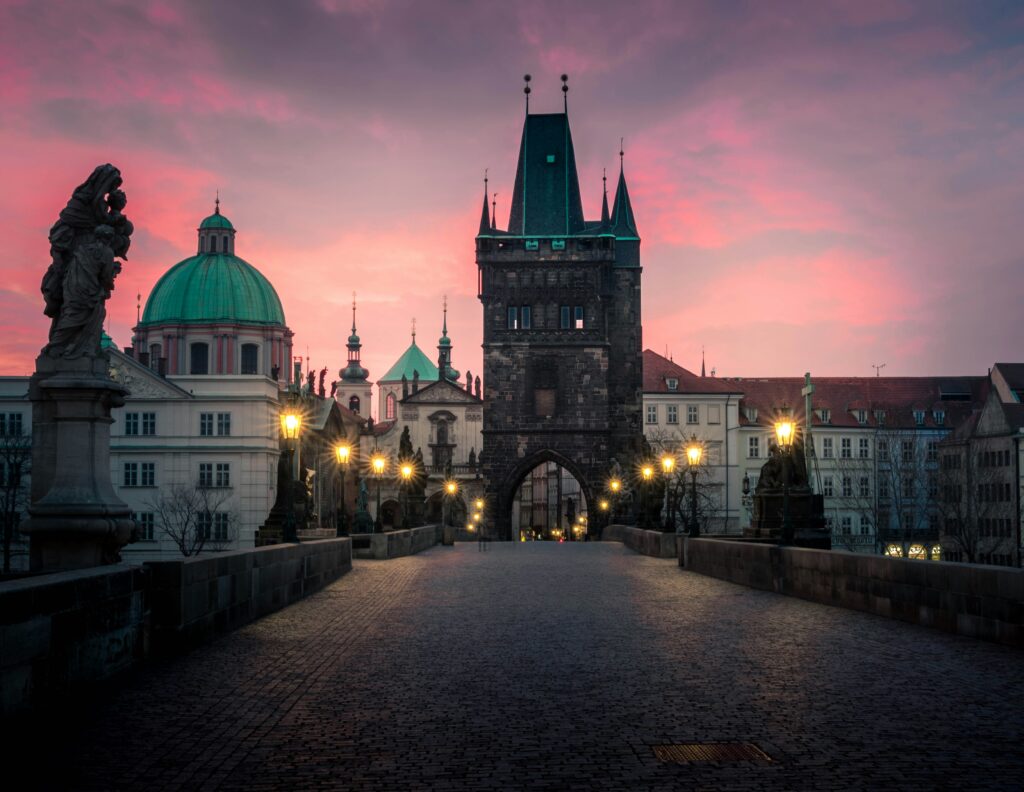
Charles Bridge is Prague’s most famous bridge and one of the city’s defining landmarks.
Built in the 14th century, the bridge connects Old Town with Malá Strana and is lined with historic statues of saints.
Old Town Square
Old Town Square is the historic centre of Prague and one of the most beautiful squares in Europe.
Surrounded by colourful historic buildings, churches, and towers, the square has served as the city’s main gathering place for centuries.
Astronomical Clock
The Astronomical Clock on Prague’s Old Town Hall dates back to the 15th century.
Every hour, crowds gather to watch the clock’s mechanical figures move as the hour changes.
Jewish Quarter
The Jewish Quarter preserves several historic synagogues and the Old Jewish Cemetery, offering insight into centuries of Jewish life in Prague.
Guided tours of the Jewish Quarter are often recommended because they explain the history of the synagogues, cemetery, and Jewish community in far greater depth.
Wenceslas Square
Located in New Town, Wenceslas Square has been the site of many historic events, including major demonstrations during the Velvet Revolution of 1989.
Prague Historic Timeline
Understanding Prague’s development helps explain its architectural landscape.
| Year | Event |
| 9th century | Early settlements established around Prague Castle |
| 14th century | Prague flourishes under Holy Roman Emperor Charles IV |
| 16th–18th centuries | Habsburg rule shapes the city’s baroque architecture |
| 1918 | Czechoslovakia becomes an independent state |
| 1989 | Velvet Revolution ends communist rule |
| 1993 | Czech Republic becomes an independent nation |
How Many Days Do You Need in Prague?
Prague’s compact historic centre makes it possible to see many major landmarks within a relatively short time.
2 Days in Prague
Two days allow visitors to explore the essential landmarks.
Typical highlights include:
- Old Town Square
- Charles Bridge
- Prague Castle
- St Vitus Cathedral
This itinerary focuses primarily on the historic centre.
3 Days in Prague My Recommendation
Three days provides a balanced experience of the city.
Visitors can explore:
- Prague Castle and Malá Strana
- Old Town landmarks
- the Jewish Quarter
- river viewpoints and scenic walks
This length of stay allows travellers to experience Prague at a more relaxed pace while still covering the city’s most important attractions.
A detailed planning guide can be found in a dedicated 3 Day Prague Itinerary article.
4 Days in Prague
With four days, visitors can add additional experiences including:
- neighbourhood exploration beyond the historic centre
- museums and galleries
- city parks and viewpoints
- beer halls and local restaurants
Where to Stay in Prague
Most first-time visitors should stay within or near the historic centre, where the majority of major landmarks are located.
Travellers comparing accommodation areas can explore a deeper breakdown in the Best Areas to Stay in Prague guide.
Best Area for First-Time Visitors: Old Town
Old Town places visitors within walking distance of Prague’s most famous landmarks.
Advantages include:
- proximity to Charles Bridge
- easy access to Old Town Square
- central location for sightseeing
Many travellers choose hotels here for the convenience of walking to most major attractions.
Historic Charm: Malá Strana
Malá Strana offers a quieter atmosphere while still being close to the historic centre.
Visitors staying here enjoy:
- scenic streets
- proximity to Prague Castle
- fewer crowds than Old Town
Budget and Nightlife: New Town
New Town contains many of Prague’s hotels, restaurants, and nightlife venues.
It is ideal for travellers seeking:
- budget-friendly accommodation
- nightlife options
- easy transport connections
| Neighbourhood | Atmosphere | Best For | Distance to Old Town |
| Old Town | Historic centre | Historic centre | N/A |
| Malá Strana | Scenic and quiet | Romantic stays | 10–15 minute walk |
| New Town | Commercial and lively | Commercial and lively | 10–20 minute walk |
How to Get Around Prague
Prague has an efficient and easy-to-use public transport system.
However, many attractions in the historic centre are within comfortable walking distance.
Prague Metro
Prague’s metro system consists of three lines connecting major districts across the city.
The metro is fast and reliable for longer journeys.
Tram Network
Trams operate throughout the city and are particularly useful for travelling across the historic centre.
Many scenic routes run along the Vltava River and through historic neighbourhoods.
Walking in the Historic Centre
Most visitors explore Prague primarily on foot.
Walking routes such as:
- Old Town to Charles Bridge
- Charles Bridge to Prague Castle
are short, scenic, and easy to navigate.
Airport Transport Options
Václav Havel Airport Prague lies about 17 km from the city centre.
Common transport options include:
- private airport transfers
- airport buses connecting to metro stations
- taxis or ride services
Top Things to Do in Prague
Prague offers many attractions, but visitors planning a short city break should prioritise the best things to do in Prague that showcase the city’s historic skyline, architecture, and river setting.
The most important landmarks are those that define Prague’s identity: Prague Castle overlooking the Vltava River, the Gothic towers of St Vitus Cathedral, the historic Charles Bridge connecting the two riverbanks, and Old Town Square with its Astronomical Clock.
Travellers seeking a deeper breakdown can explore the dedicated Best Things to Do in Prague guide.
Essential Landmarks
These landmarks represent Prague’s defining historic experiences and should be prioritised by first-time visitors.
Prague Castle – the city’s historic royal complex and one of the largest castles in the world
St Vitus Cathedral – Prague’s most important Gothic building and a central feature of the skyline
Charles Bridge – the historic bridge linking Old Town and Malá Strana
Old Town Square – the architectural heart of Prague
Many travellers choose guided walking tours of the historic centre to learn about the history behind these landmarks.
Historic District Highlights
Beyond the major landmarks, Prague’s historic districts provide deeper cultural context.
Highlights include:
- the Jewish Quarter, preserving centuries of Jewish history in the city
- the baroque streets and churches of Malá Strana
- scenic viewpoints from the terraces near Prague Castle
City Viewpoints
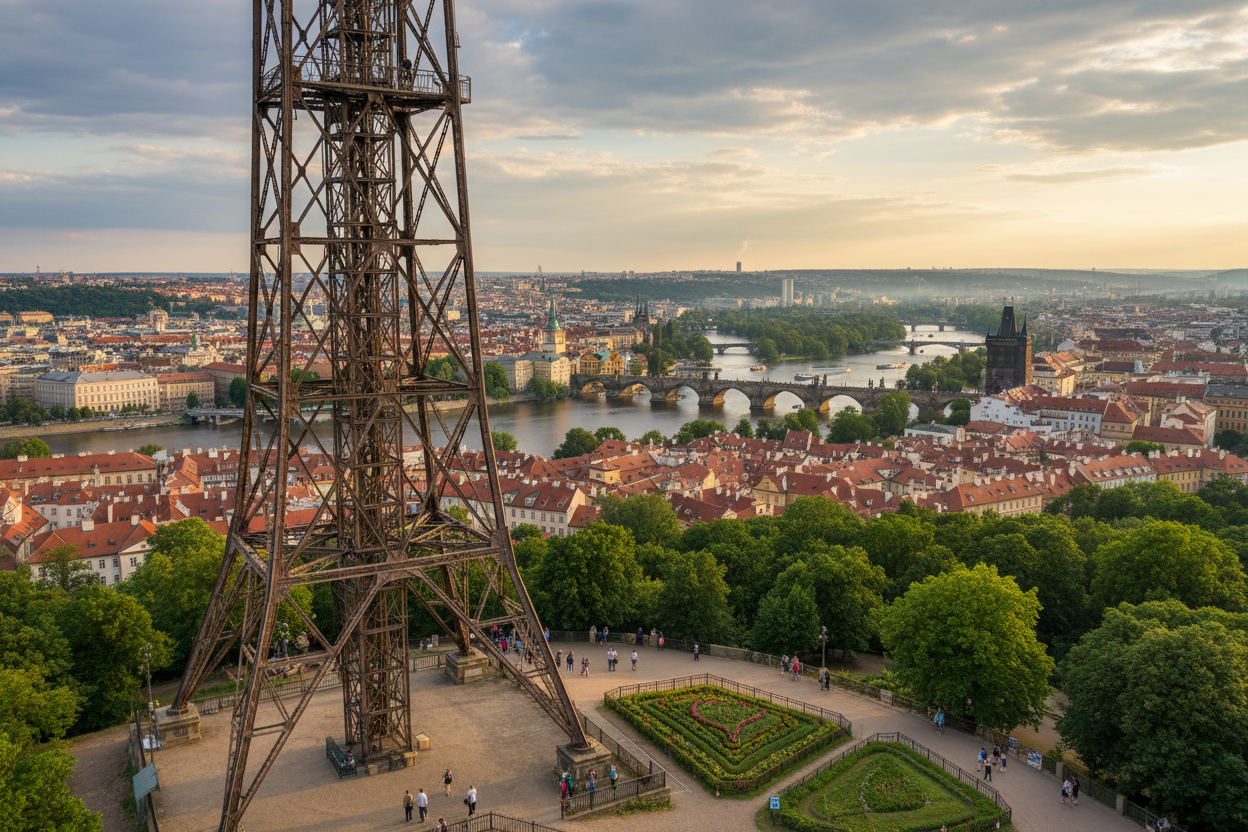
Prague’s landscape includes several viewpoints that showcase its famous skyline.
Popular locations include:
- Petrin Hill, known for gardens and the Petrin Tower viewpoint
- Letná Park, offering sweeping views across the Vltava River and the city’s bridges
- viewpoints near Prague Castle overlooking Old Town
Unique Experiences
In addition to sightseeing, Prague offers cultural experiences that reflect local traditions.
These include:
- Vltava river cruises offering views of Prague’s skyline and bridges from the water
- visiting traditional beer halls and historic taverns
- walking along scenic riverbanks of the Vltava River
- evening strolls across Charles Bridge
Landmark Priority Overview
| Tier | Experience |
| Tier 1 | Prague Castle, St Vitus Cathedral, Charles Bridge, Old Town Square |
| Tier 2 | Jewish Quarter, Malá Strana |
| Tier 3 | Petrin Hill, Letná Park, river walks |
Suggested Prague Itineraries
Turning Prague’s landmarks into a structured itinerary helps travellers explore the city efficiently.
The following itinerary groups attractions by geographic proximity so visitors spend more time exploring and less time travelling across the city.
Many travellers also join guided walking tours during the first day of their itinerary to gain a deeper understanding of Prague’s historic centre.
| Day | Key Districts | Major Landmarks |
| 1 | Old Town | Old Town Square, Astronomical Clock, Charles Bridge |
| 2 | Prague Castle | Prague Castle, St Vitus Cathedral, Malá Strana |
| 3 | Viewpoints & Culture | Petrin Hill, beer halls, neighbourhood exploration |
Day 1 focuses on Prague’s historic centre and its most famous landmarks.
Day 2 moves west across Charles Bridge to Prague Castle and the district of Malá Strana.
Day 3 introduces panoramic viewpoints and cultural experiences such as Prague’s traditional beer halls.
4 Day Prague Trip
With four days, visitors can expand their itinerary with:
- evening cultural experiences or river cruises
- museums and galleries
- longer walks along the Vltava River
- Letná Park viewpoints
- additional neighbourhood exploration
Food & Beer Culture in Prague
Prague’s culinary traditions reflect both Central European cuisine and the country’s famous brewing heritage.
Traditional Czech Dishes
Typical Czech dishes often include hearty ingredients such as meats, dumplings, and rich sauces.
Common dishes include:
- roast pork with dumplings
- goulash
- svíčková (marinated beef with creamy sauce)
Historic taverns and traditional restaurants often serve these dishes alongside locally brewed beer.
Beer Halls and Pub Culture
Beer culture plays a central role in daily life in the Czech Republic.
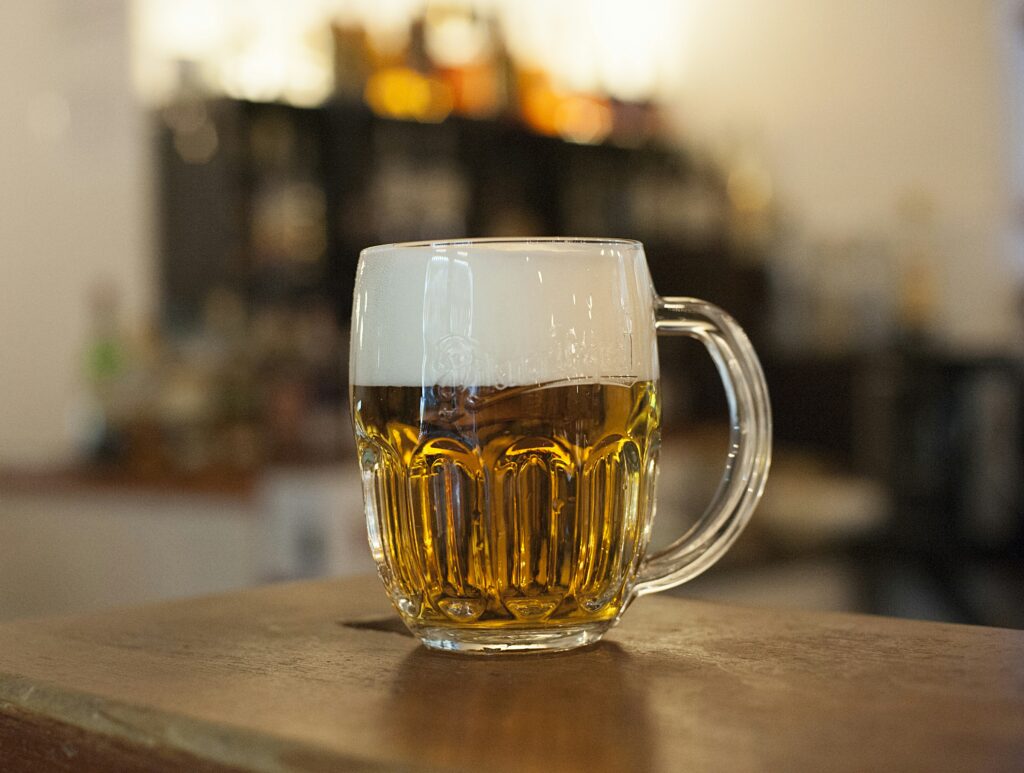
Traditional Prague beer halls serve fresh lager in large glasses and often feature long communal tables where locals gather socially.
Many travellers enjoy beer tasting experiences that introduce different Czech lagers and explain the country’s brewing traditions.
Pilsner Heritage
The modern pilsner-style lager originated in the Czech lands in the 19th century.
Today Prague’s pubs continue to serve some of the freshest and most respected lagers in Europe.
Beer Experiences: Tours vs Independent Exploration
Travellers can experience Prague’s beer culture in several ways.
Independent exploration of traditional pubs is often the most authentic approach, allowing visitors to sample local lagers in historic taverns throughout the city.
Guided beer tours can be worthwhile for visitors who want historical context, brewery explanations, and curated tastings across multiple venues.
Brewery visits provide deeper insight into the production process but require more time and are usually better suited for travellers staying longer than a short city break.
Practical Travel Tips
Best Time to Visit Prague
Prague is enjoyable year-round, but the most popular months are from May to September.
During these months the city experiences longer daylight hours, comfortable temperatures, and numerous outdoor events.
Avoiding Old Town Crowds
Old Town Square and Charles Bridge are busiest during late morning and afternoon hours.
Visiting early in the morning or later in the evening usually provides a more relaxed experience.
Booking Prague Castle Tickets
Prague Castle is one of the most visited attractions in the country.
Booking tickets in advance can help visitors avoid long queues.
Currency and Payment Tips
The Czech Republic uses the Czech Koruna rather than the euro.
While many businesses accept cards, carrying some cash is helpful for smaller cafés and pubs.
Accommodation Booking Advice
Because Prague is a popular city-break destination, accommodation in the historic centre often fills quickly during peak seasons.
Booking hotels well in advance is recommended.
Common Mistakes First-Time Visitors Make
Staying Too Far Outside the Centre
Staying far outside the historic centre can make sightseeing less convenient.
First-time visitors usually benefit from staying within walking distance of Old Town.
Only Visiting Old Town
While Old Town contains many famous landmarks, districts such as Malá Strana offer equally impressive historic streets and views.
Ignoring Malá Strana
Malá Strana contains some of Prague’s most charming streets and scenic viewpoints.
Skipping this district means missing an important part of the city’s atmosphere.
Visiting Prague Castle at Midday
Prague Castle becomes extremely crowded during peak midday hours.
Visiting early in the morning often provides a far more enjoyable experience.
Not Booking Major Attractions in Advance
During busy seasons, some attractions may have long queues.
Booking ahead can save significant time.
Final Planning Advice
For most travellers, three days is the ideal amount of time to experience Prague’s historic centre.
During this time you can:
- explore Prague Castle and St Vitus Cathedral
- walk across Charles Bridge
- visit Old Town Square and the Astronomical Clock
- enjoy scenic viewpoints across the Vltava River
- experience Prague’s historic beer halls
Staying in Old Town or Malá Strana provides the most convenient base for exploring the city’s major landmarks.
Prague’s unique combination of preserved architecture, historic atmosphere, and vibrant beer culture makes it one of Europe’s most memorable city-break destinations. With thoughtful planning and a few early starts to avoid crowds, Prague rewards visitors with one of the most memorable historic city experiences in Europe.