
Quick Travel Snapshot
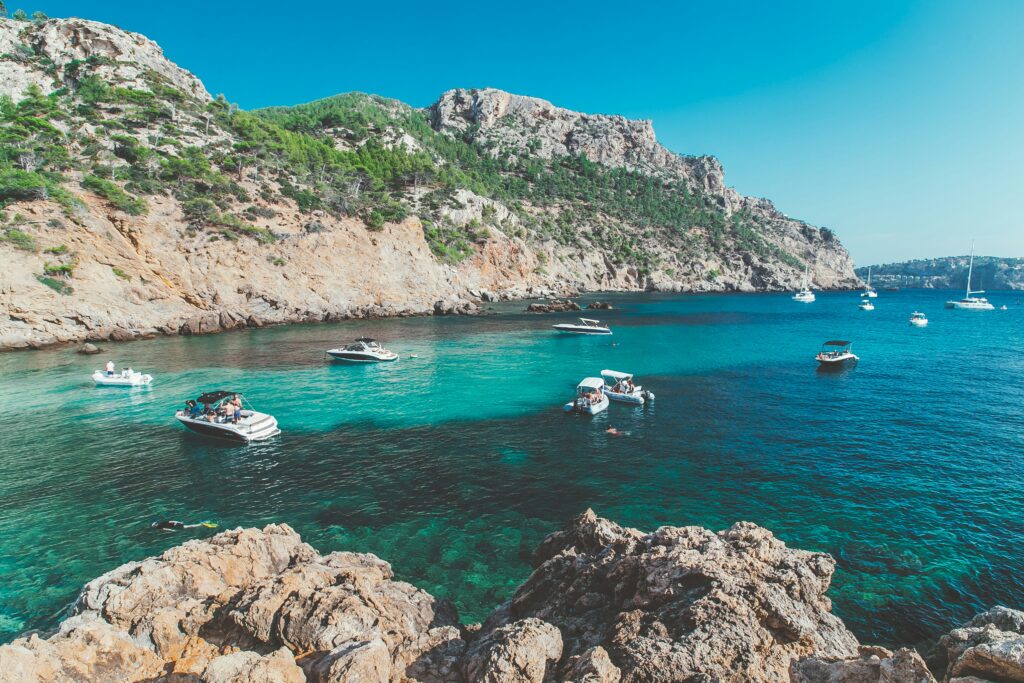
Majorca, part of Spain’s Balearic Islands, offers a mix of Mediterranean coastline, mountain scenery, and historic towns within a relatively compact space. Although often seen as a resort destination, it works just as well for travellers looking for variety and depth.

The island is best known for its beaches, luxury travel, cycling routes, nightlife, and family-friendly resorts. Most trips are best planned over 3–7 days, giving you enough time to explore beyond a single base. Palma acts as the main hub, with key areas including Alcúdia in the north, Sóller in the west, and Cala d’Or in the east.

The currency is the Euro (€), and both Spanish and Catalan (Mallorquín) are spoken. Palma Airport is well connected to the UK and wider Europe. While distances may appear short on a map, the island is larger than expected, and travel between regions takes more time than it first seems.
Why Visit Majorca
Majorca is often reduced to its party scene, but that only represents a small part of what the island offers. In reality, it’s one of the most varied destinations in the Mediterranean, combining coastline, mountains, and culture in a way few places do.
The beaches range from wide sandy bays to smaller, tucked-away calas with clear turquoise water. Many of the most memorable spots sit slightly away from main roads, which helps preserve their quieter feel. Inland, the Serra de Tramuntana mountains create a completely different setting, with winding roads, traditional villages, and protected landscapes recognised by UNESCO.
Palma adds a cultural layer, with its historic old town, cathedral, and strong food scene. The island also caters to different travel styles, from boutique stays in Deià to more accessible resort areas across the north and east.
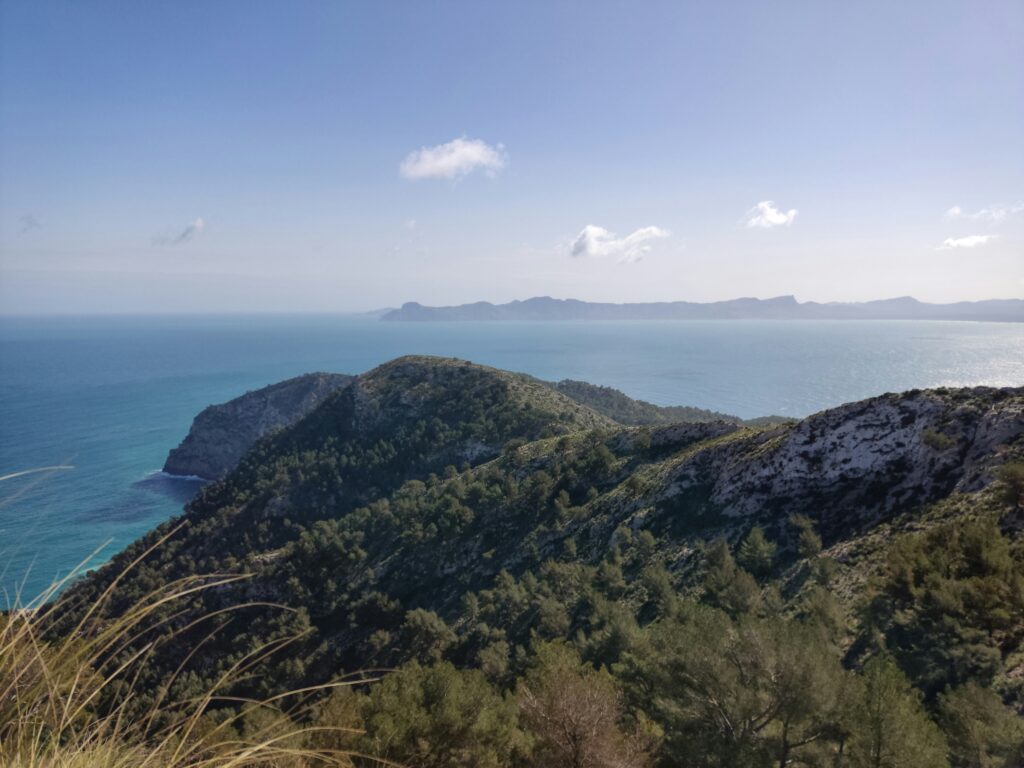
What makes Majorca stand out is the contrast between regions. The north feels open and beach-oriented, the west is dramatic and scenic, and the south is more developed and lively. Seasonal shifts also change the experience, with summer bringing energy, while spring and autumn feel calmer and more relaxed.
Is Majorca Worth Visiting
What makes Majorca stand out is the contrast between regions.
Majorca suits travellers who want flexibility in how they experience a destination. It works particularly well for beach lovers, couples seeking a mix of relaxation and culture, and active travellers drawn to cycling and hiking.
That said, it may not appeal as much to those looking for a large city experience or those hoping to avoid crowds entirely during peak season. July and August, in particular, can feel busy in popular coastal areas.
Compared to nearby islands, Majorca offers a more balanced experience. Ibiza leans more towards nightlife, Menorca is quieter and less developed, and Tenerife has a more volcanic landscape with year-round warmth. Majorca sits somewhere in between, combining natural scenery with cultural depth.
For most visitors, that balance is its biggest strength. It allows you to enjoy both relaxation and exploration without having to compromise too much on either.
How To Plan Your Trip
Planning a trip to Majorca is less about fitting in as many places as possible and more about choosing one or two well-placed bases. The island’s size means moving around too often can quickly become inefficient, especially during busy periods.
For a first visit, staying in Palma and pairing it with one additional region such as the north coast or the Tramuntana mountains creates a natural flow. This approach gives you time for both cultural exploration and time by the sea, without long daily drives.
Transport choices play a key role in shaping the trip. Renting a car is the most practical option if you want to reach smaller beaches and inland villages, many of which are difficult to access by public transport. During the main season from May to September, both accommodation and car hire should be booked well in advance to avoid higher prices and limited availability.
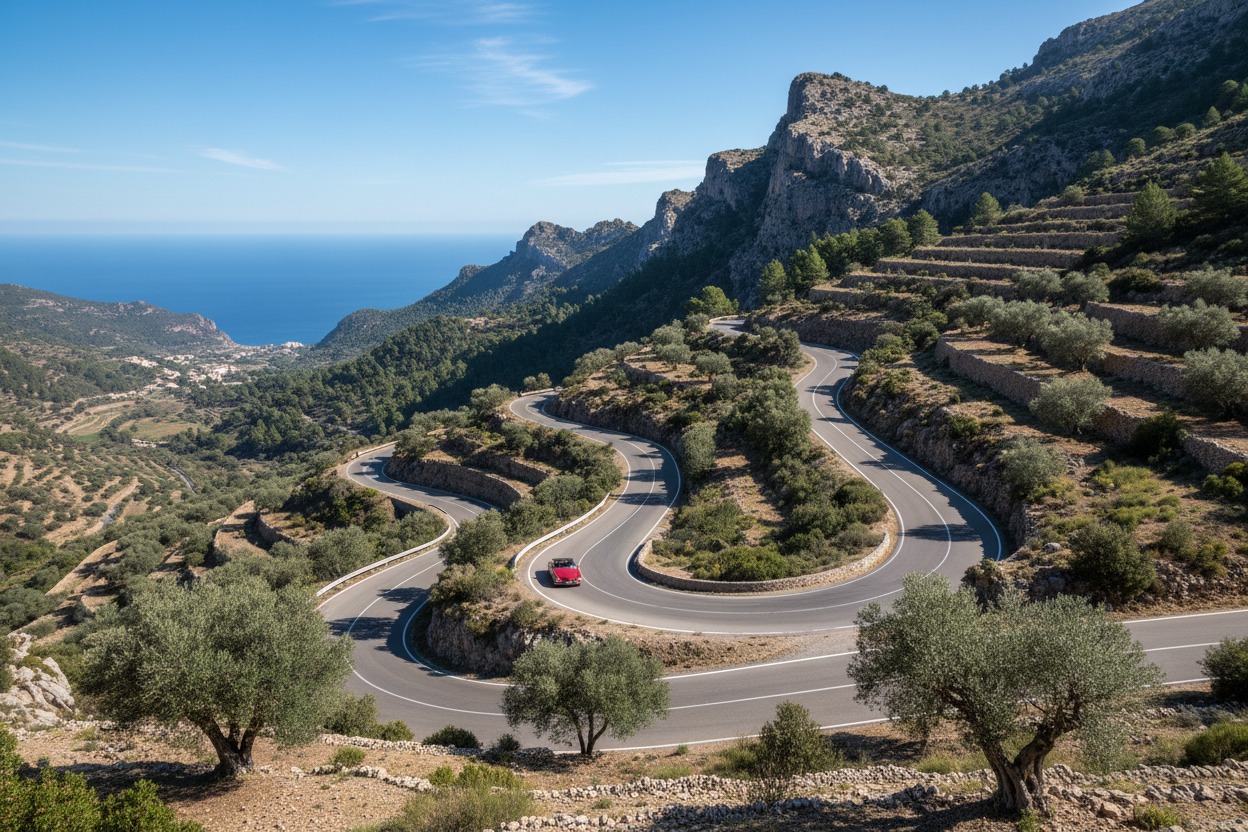
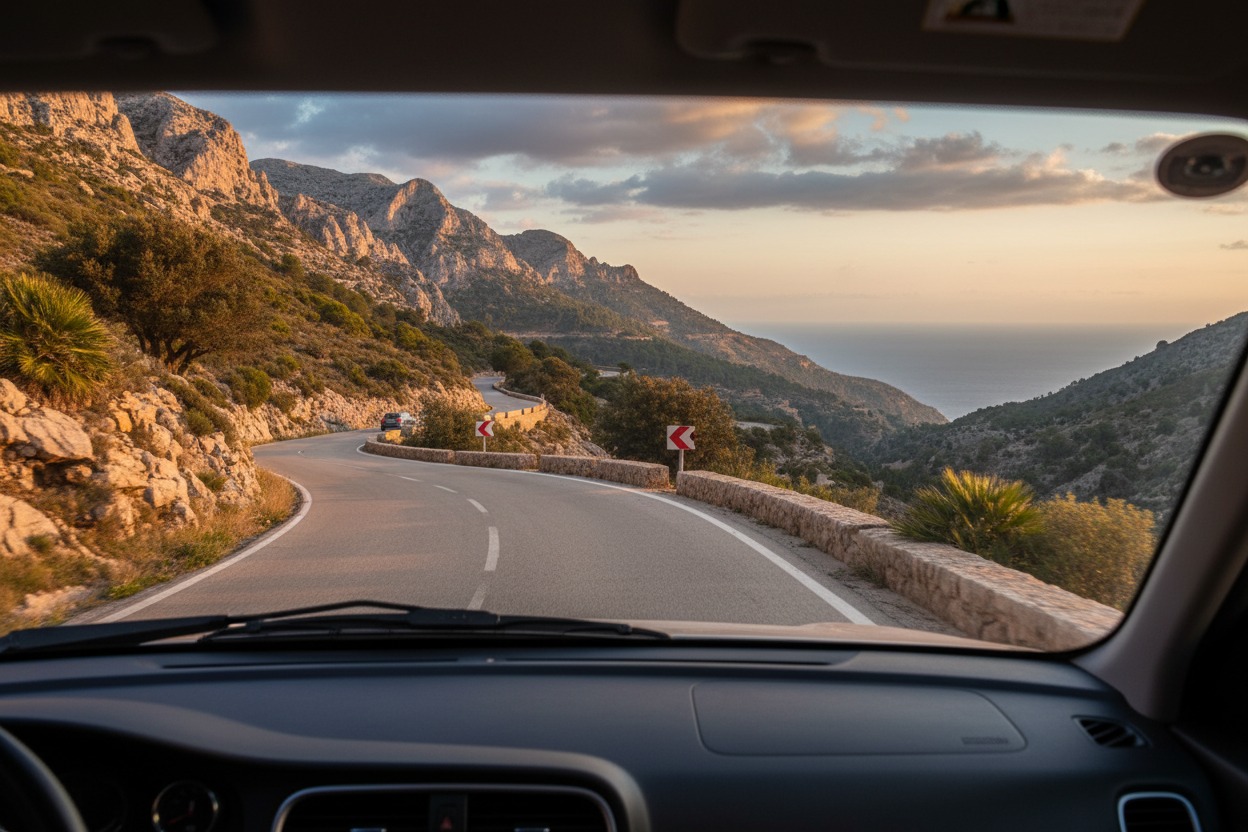
Driving across the island is generally straightforward, but there are a few things to keep in mind. Coastal routes, especially in the west, are scenic but slower than expected. Some beaches also require short walks from parking areas. In Palma, parking can be more challenging, which is why many travellers explore the city on foot before heading further afield.
Accommodation timing and car hire are two of the most important decisions to make early. For more detailed planning, refer to the Majorca itinerary, where to stay in Majorca, and the Majorca transport guide.
Best Time To Visit Majorca
The experience of Majorca changes noticeably throughout the year, making timing one of the most important decisions in your planning. Each season offers a different balance of weather, cost, and atmosphere.
| Season | Experience | Experience |
| Summer | Hot, busy, lively | Beach & nightlife |
| Spring/Autumn | Balanced and fewer crowds | Mixed travel |
| Winter | Quiet and cooler | Cycling & exploring |
Summer, from June to August, brings reliable heat and a lively atmosphere, but also higher prices and busier beaches. It suits travellers prioritising sunshine and energy, though it requires early planning.
The shoulder seasons, April to May and September to October, are often the most balanced. Temperatures are still comfortable, crowds are lower, and both flights and accommodation tend to be more affordable. These months are particularly good for combining beach time with outdoor activities like hiking.
From November through March, the island becomes much quieter. While swimming is less appealing, it’s a great time for cycling and exploring inland areas at a slower pace.
Seasonality also affects cost. Hotel prices in summer can be double those in shoulder seasons, with flights following a similar pattern. Sea temperatures are best from early summer into autumn, while spring and autumn are better suited to active travel. Wind conditions can also affect beach comfort, particularly on more exposed coasts, making location choice more important outside peak season.
How To Get To Majorca
Travelling to Majorca is straightforward, with Palma de Mallorca Airport serving as the main entry point. The island is well connected to the UK and across Europe, making it suitable for both short breaks and longer trips.
For travellers already in Spain, ferry routes from cities such as Barcelona and Valencia offer an alternative, though these are typically better suited to longer journeys rather than quick visits.
The airport sits close to Palma, with transfer times usually around 10–15 minutes. This makes arrival simple, especially for those staying in the city first.
Many visitors choose to pick up a rental car directly from the airport, giving immediate flexibility for exploring beyond Palma. During peak travel periods, flights and transfers should be booked early to secure better prices and availability.
How To Get Around Majorca
How you get around Majorca has a direct impact on how much of the island you’ll see. While several options are available, they vary in both convenience and reach.
Renting a car offers the most flexibility and is generally the best choice for travellers who want to explore beyond their immediate area. It opens up access to smaller beaches, inland villages, and mountain routes that are otherwise difficult to reach.
Public buses connect major towns, but services to more remote areas are less frequent. Train routes, including the line between Palma and Sóller, are more of an experience than a practical way to travel. Taxis are available but can become expensive over longer distances.
Driving itself is manageable but comes with a few considerations. Mountain roads in the west can be narrow and winding, and parking rules, especially in Palma, are strictly enforced. Travel times can also increase during peak season, particularly on popular routes.
For most visitors, having a car strikes the right balance between convenience and access. More detail can be found in the Majorca transport guide.
Where To Stay in Majorca
Where you stay in Majorca will shape the overall pace and feel of your trip, as each region offers a distinct atmosphere. The decision is less about convenience and more about matching your base to your priorities.
Palma is the most versatile option, combining historic sights, dining, and nightlife with easy access to other parts of the island. It works especially well for first-time visitors who want variety without moving too often.
The north coast, including Alcúdia and Pollensa, is more relaxed and beach-focused. This area suits families in particular, thanks to longer sandy beaches and a slower pace. In contrast, the Tramuntana region, home to Sóller and Deià, offers a more scenic and refined experience, with boutique stays and a quieter, more secluded feel.
On the east coast, Cala d’Or provides a more traditional resort setup, with easy access to multiple nearby beaches and a structured holiday environment.
For many travellers, the choice becomes clear based on priorities. Palma or the north coast works well for a first visit, Deià suits those looking for a more upscale stay, and Alcúdia offers more budget-friendly options. For more detail, refer to where to stay in Majorca and the Palma area guide.
Best Things To Do in Majorca
Exploring Majorca is easiest when activities are grouped by region, helping reduce travel time and create a smoother flow throughout the trip. Each area offers a different set of highlights.
Palma and the southwest focus on culture and city life, with the cathedral and old town at the centre. This area also gives access to nearby beaches and a strong food scene. Heading west, the Tramuntana mountains introduce a more dramatic landscape, where scenic drives and traditional villages like Sóller define the experience.
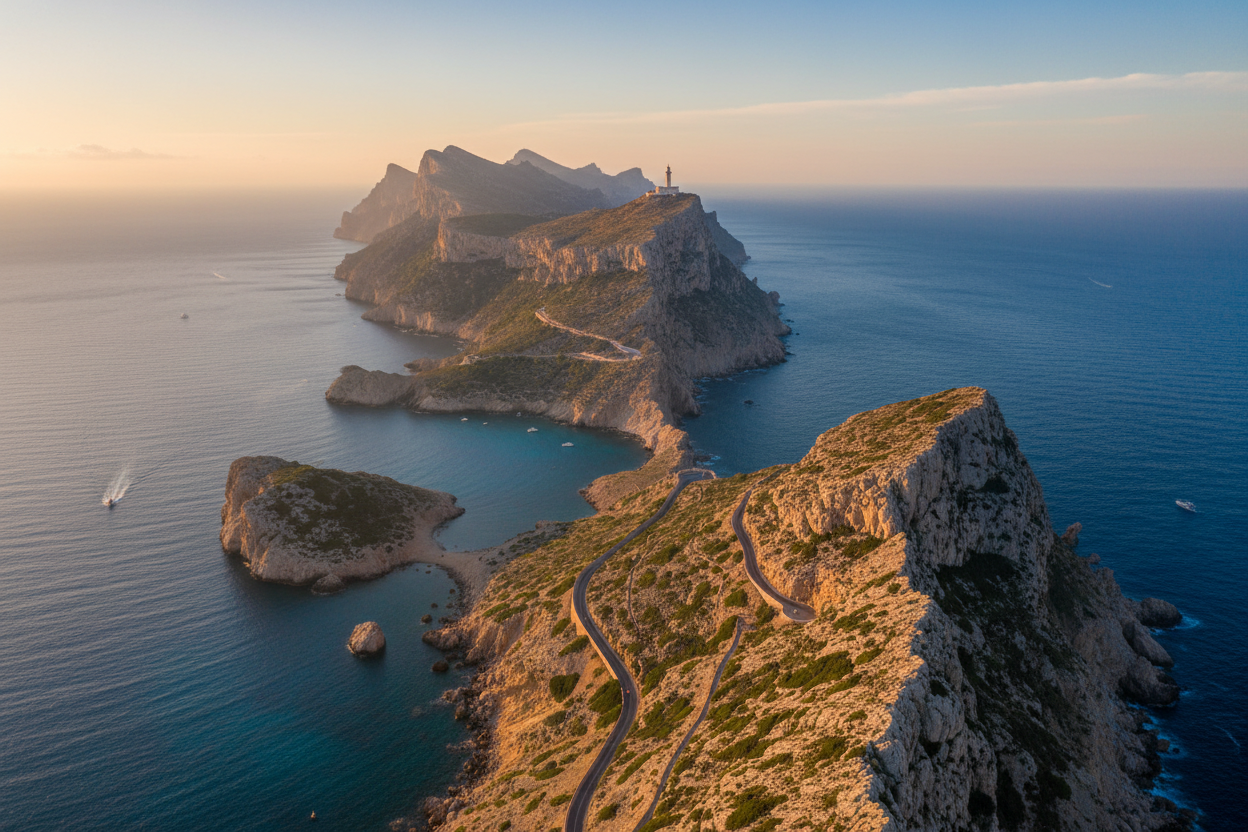
In the north, around Alcúdia and Pollensa, the focus shifts back to beaches and viewpoints. Cap de Formentor is one of the island’s most iconic locations, known for its striking coastal views. On the east coast, smaller calas such as Caló des Moro and Cala Varques offer clearer water and a more secluded setting.
Most itineraries naturally centre around a few key experiences: exploring Palma, driving through the Tramuntana mountains, and visiting at least one northern viewpoint. From there, additional activities like boat trips or multiple beach visits can be added depending on your time and pace.
Suggested Itineraries
A strong Majorca itinerary focuses on flow rather than rigid scheduling, allowing each part of the trip to build naturally. The goal is to balance coast, culture, and landscape without unnecessary movement.
For a shorter trip of three to four days, Palma works well as a single base. You can explore the old town and cathedral, enjoy a beach day, and take a trip into the Tramuntana mountains, all without overcomplicating travel.
For a longer stay of seven to ten days, a broader structure works better. Starting in Palma allows for an easy arrival and time to explore the city before moving west into the Tramuntana mountains, including Sóller and nearby villages. Continuing north introduces a more beach-focused phase around Alcúdia or Pollensa, where longer coastlines and viewpoints like Cap de Formentor can be explored at a more relaxed pace.
With more time, you can add variety without rushing, multiple beach types, scenic drives, and at least one boat trip along the coast. This approach gives a more complete sense of the island, moving naturally between regions rather than treating them as separate day trips. For detailed route planning, refer to the Majorca itinerary.
Best Day Trips in Majorca
Day trips are a key part of exploring beyond your base, especially if you’re staying in Palma. Several standout locations can be reached within a day, though travel conditions vary depending on the route.
- Sóller and Port de Sóller combine mountain scenery with coastal views
- Valldemossa offers a quieter, more traditional village setting
- Sa Calobra is known for its dramatic access road
- Cap de Formentor delivers some of the island’s most impressive viewpoints
Driving conditions are worth considering when planning these trips. Mountain roads can be narrow and winding, and journeys often take longer than expected. Starting early helps avoid traffic and makes parking easier, particularly in popular areas.
For more detailed guidance, refer to the Majorca day trips guide.
Food & Restaurants in Majorca
Food in Majorca reflects its Mediterranean setting and local traditions, combining simple regional dishes with more modern dining options. Eating well is a central part of the experience, especially in Palma.
Traditional dishes are a good place to start:
- Ensaimada (pastry)
- Sobrasada (cured sausage)
- Tumbet (vegetable dish)
Palma’s old town offers the most variety, from casual tapas spots to more refined restaurants. Along the coast, seafood becomes more prominent, often served in relaxed settings with sea views.
Prices vary depending on location and style. A mid-range meal typically costs between €15 and €25 per person, while higher-end dining can exceed €60. Tapas-style dining offers flexibility, making it easier to adjust both portions and overall cost.
For more detailed recommendations, refer to the Majorca food guide.
Travel Tips
Spending time in Majorca becomes much easier with a few practical adjustments, especially during the busy summer months when small issues can quickly add up.
- Rent a car early, especially in peak season
- Avoid peak beach hours for easier access
- Bring water shoes for rocky coves
- Book restaurants in advance during summer
- Watch for strict parking restrictions
- Carry cash in smaller towns
- Start drives early for popular viewpoints
- Respect quiet hours in villages
- Use sunscreen consistently
- Plan fuel stops in rural areas
- Avoid staying only in resort zones
- Check wind direction before choosing a beach
These small steps help reduce friction and leave more time to enjoy the island.
Budget Guide
Understanding costs in Majorca helps set realistic expectations and avoid unnecessary spending. Prices vary based on travel style, location, and time of year, with summer being the most expensive period.
Budget travellers can expect to spend around €70–100 per day, focusing on simpler accommodation and casual meals. Mid-range trips usually fall between €120–200 per day, while luxury travel starts at €250 and rises depending on accommodation and experiences.
Accommodation is typically the biggest cost, ranging from €80 to over €300 per night depending on season and location. Car rental usually falls between €30 and €70 per day, while meals range from €10–25 for casual dining to €40–60 or more for higher-end options. Tours and excursions generally cost between €40 and €120, with fuel adding to costs for longer drives.
Seasonality plays a major role. Summer accommodation prices can be double those in shoulder seasons, making early booking and timing key to managing your overall budget.
How many days in Majorca?
FAQs
Planning a trip to Majorca often brings up similar questions, especially for first-time visitors balancing logistics and expectations.
How many days in Majorca?
Three to four days covers the main highlights, while seven to ten days allows for a more complete experience.
Do you need a car in Majorca?
Not essential, but it makes exploring much easier and opens up less accessible areas.
Is Majorca expensive?
It can be in peak season, but there are options for most budgets.
Best area to stay?
Palma is the most versatile, the north is best for beaches, and Deià or Sóller suit those looking for a quieter, scenic setting.
Is Majorca safe?
Yes, it’s generally very safe, with standard travel precautions being enough.
Can you visit without driving?
Yes, especially if staying in Palma, though it limits access to some of the island’s more distinctive spots.
Final Planning Advice
Planning a smooth trip to Majorca comes down to making a few key decisions early. Choosing the right base (or combination of bases) has the biggest impact on how the trip unfolds.
Booking accommodation and transport in advance is especially important during peak season, when demand is high and options become limited. This is particularly true for car hire and well-located stays.
The most rewarding trips balance time on the coast with inland exploration. Focusing only on resort areas limits what the island has to offer, while a more balanced approach reveals its full range. For deeper planning, refer to the itinerary, where to stay, things to do, transport, food guide, day trips, and Palma-focused resources.