
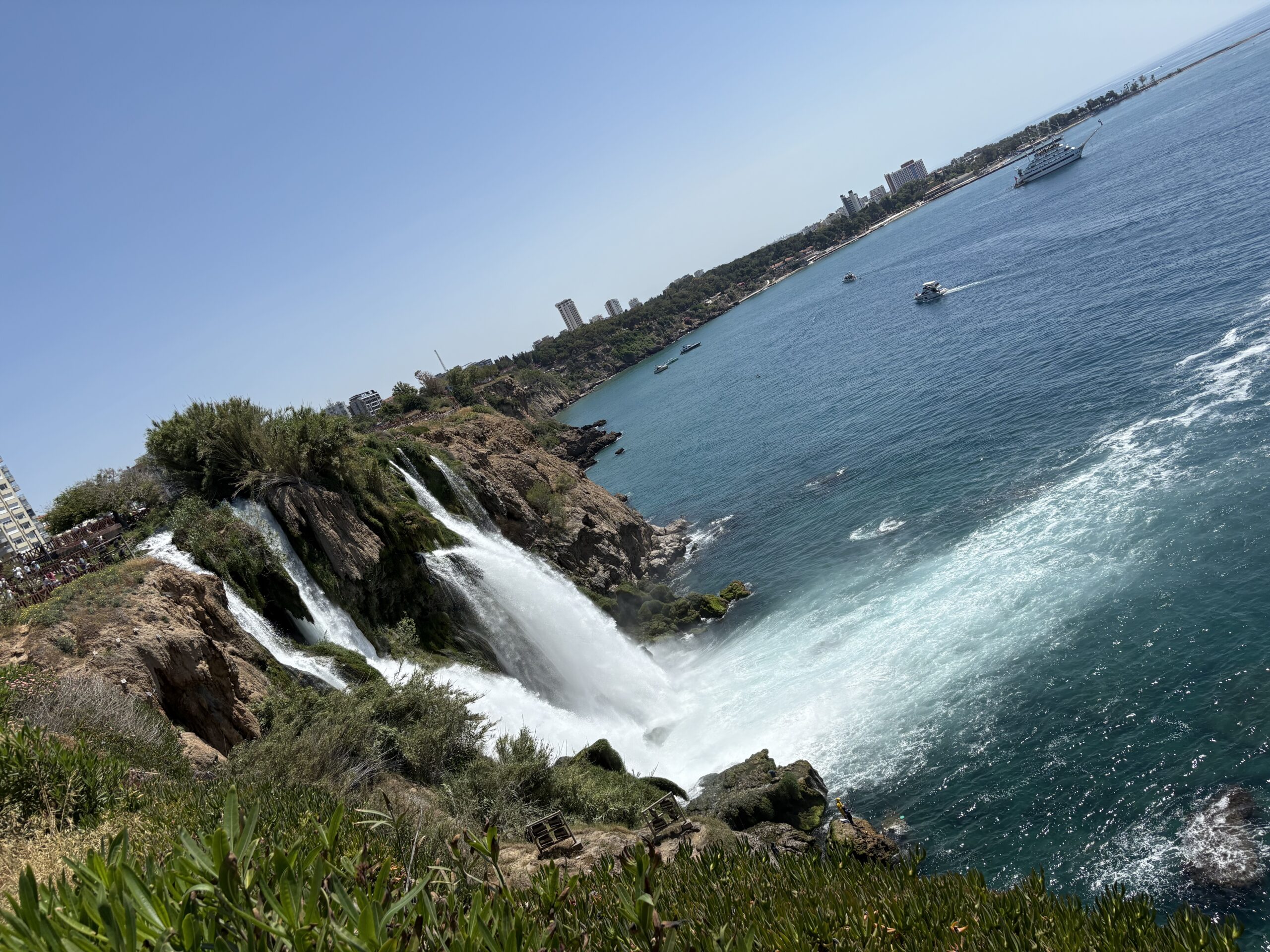
Quick Travel Snapshot
Located on Turkey’s Mediterranean coastline, Antalya sits at the heart of the Turkish Riviera, blending beach relaxation with a deep historical backdrop. It’s a destination that works just as well for a short break as it does for a slower, week-long itinerary.
Most travellers spend between 3 and 10 days here, dividing their time between beaches, ancient ruins, and the characterful Old Town. Expect coastal scenery, Roman-era landmarks, and resort-style comfort in one trip. Antalya suits couples, families, and travellers looking to balance culture with downtime.
📍 Location: Turkish Riviera (Mediterranean coast)
⏱ Ideal Trip Length: 3–10 days
💱 Currency: Turkish Lira
💬 Language: Turkish (English widely spoken)
💸 Value: Excellent vs Western Europe
Why Visit Antalya
Antalya stands out for how much variety it offers without requiring complicated logistics. Within a relatively compact region, you can move easily between beaches, archaeological sites, and mountain landscapes, creating a layered travel experience that’s hard to match elsewhere.
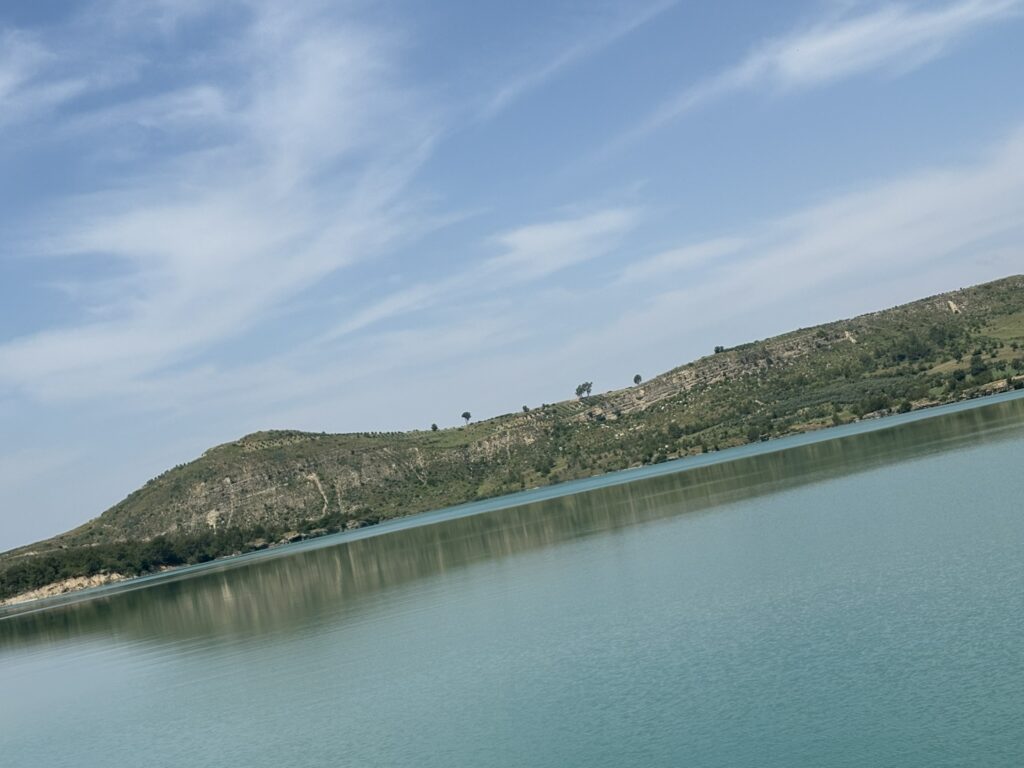
A layered travel experience combining beaches, ruins, and mountains in one compact region.
Access is straightforward thanks to Antalya Airport, with frequent direct flights from across Europe. This ease of arrival removes much of the friction often associated with Mediterranean travel that involves ferries or multiple transfers.
Cost is another major advantage. Compared to destinations like the Greek islands or southern Spain, Antalya delivers better value across accommodation, food, and activities. This means you can either travel more comfortably on the same budget or extend your stay without significantly increasing costs.
The destination is also flexible. You can opt for an all-inclusive resort, plan independent cultural exploration, or travel on a tighter budget using public transport.
Seasonality adds even more appeal. Summer is ideal for beach-focused trips, while spring and autumn offer more comfortable conditions for sightseeing. Even winter remains mild enough for a quieter, budget-friendly visit.
Is Antalya Worth Visiting
Antalya is a strong choice if you’re looking for variety without sacrificing convenience. The combination of affordability, infrastructure, and diverse experiences makes it one of the most accessible Mediterranean destinations.
Its biggest strengths include excellent value for money, a wide mix of activities, reliable transport, and consistently warm weather for much of the year. It’s particularly appealing if you want to combine beach time with cultural exploration in a single trip.
There are a few trade-offs to consider. Peak summer brings heavy crowds and intense heat, often making midday sightseeing uncomfortable. Some resort-heavy areas can also feel commercialised, with less of the local character found in smaller European destinations.
Compared to the Greek islands or Spain’s Costa del Sol, Antalya offers better pricing and broader variety, but slightly less of a boutique, small-town atmosphere.
For travellers prioritising ease, diversity, and cost efficiency, Antalya is an excellent option.
| Pros | Cons |
|---|---|
| Excellent value for money | Peak summer heat can be intense |
| Wide mix of beaches and history | Some areas feel commercialised |
| Easy airport access | Crowds in high season |
| Flexible travel styles | Less boutique charm vs Greek islands |
How To Plan Your Trip
Planning a trip to Antalya starts with deciding how you want to balance relaxation and exploration. Your itinerary will depend heavily on where you stay and how far you’re willing to travel for key sights.
A 3–4 day trip works well for a focused visit covering the Old Town, beaches, and one or two major historical sites. With 5–10 days, you can slow the pace, add day trips, and include proper downtime.
Choosing your base is critical. Kaleiçi offers atmosphere and walkability, while Konyaaltı and Lara Beach provide easier beach access and modern accommodation.
Booking should follow a clear order. Start with flights using comparison platforms to secure the best fares, especially in peak season. Next, arrange accommodation—booking early helps secure better rates and availability, particularly in summer. Finally, plan tours and activities, as popular experiences often sell out in advance.
Transport planning matters more than it first appears. Many major sites, such as Perge or Aspendos, are spread out and require dedicated travel time. Comparing car rental options early often results in better pricing and gives you more flexibility for exploring.
Summer demand significantly impacts both availability and cost, so booking early is essential.
Plan Your Trip in the Right Order
- ✈️ Book flights early (best prices)
- 🏨 Secure accommodation (location matters)
- 🎟 Reserve key activities/tours
- 🚗 Plan transport (car rental vs tours)
Best Time To Visit Antalya
Choosing when to visit depends on your priorities—whether that’s beach time, sightseeing, or budget.
Spring (April to June) offers the best overall balance. Temperatures are warm but manageable, crowds are moderate, and conditions are ideal for both exploring and relaxing outdoors.
Summer (July to September) is peak season. Expect temperatures above 35°C, busy beaches, and higher accommodation prices. It’s best suited for travellers focused primarily on resort stays.
Autumn (September to November) is often the best value period. The sea remains warm, crowds ease, and prices become more reasonable, making it ideal for mixed itineraries.
Winter (December to March) is quieter and cooler. While it’s not suitable for beach holidays, it works well for cultural trips and lower-cost travel.
If you’re refining dates, reviewing a detailed monthly breakdown in a guide to the best time to visit Antalya will help you align weather, crowds, and pricing.
| Season | Weather | Crowds | Best For |
|---|---|---|---|
| Spring (Mar–May) | Warm & pleasant | Moderate | Best overall balance |
| Summer (Jun–Sep) | Very hot (35°C+) | High | Beach & resorts |
| Autumn (Sep–Nov) | Warm sea, mild air | Medium | Best value |
| Winter (Dec–Mar) | Mild & cooler | Low | Budget & culture |
How To Get To Antalya
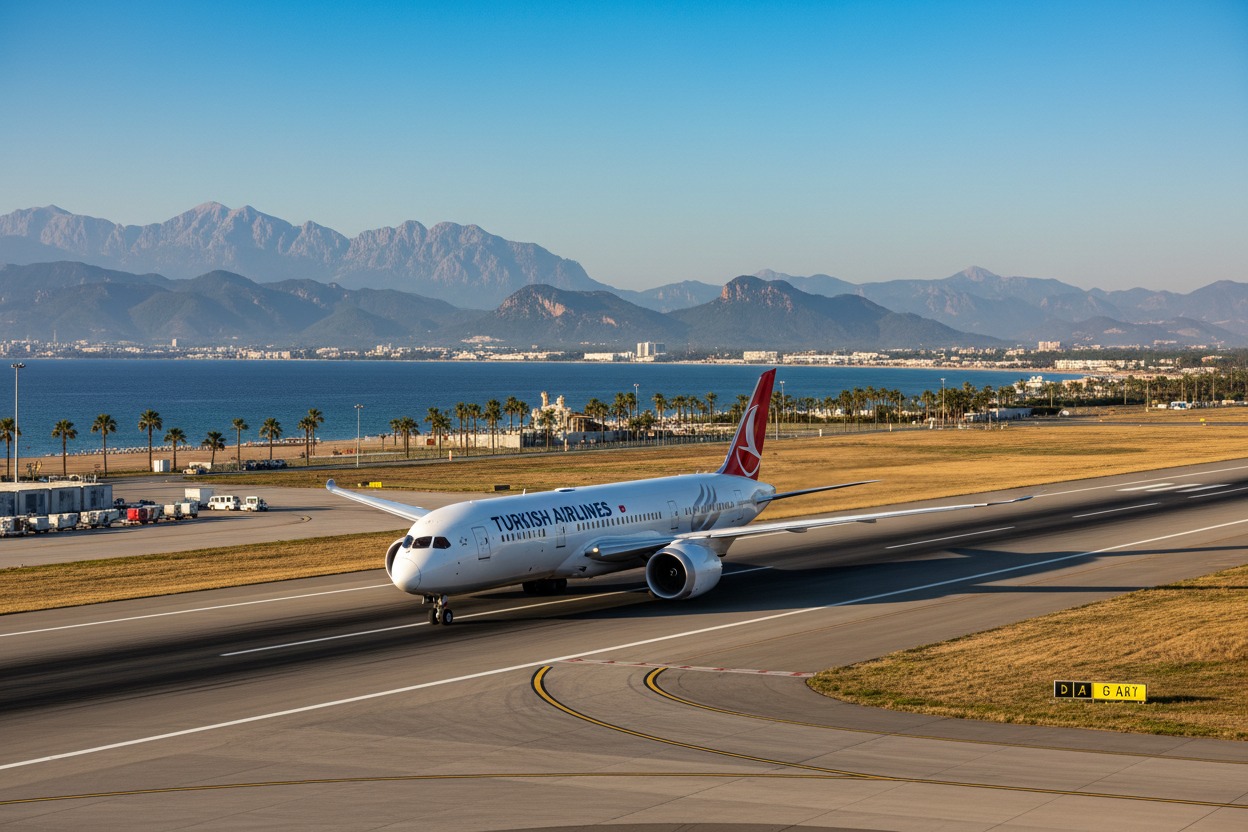
Most travellers arrive via Antalya Airport, the main gateway to the region. It’s well connected to major European cities, with a mix of direct and connecting flights.
Using flight comparison tools helps identify the best routes and pricing, particularly during peak travel months when fares fluctuate.
From the airport, reaching your accommodation is simple. Taxis are the fastest option, while pre-booked transfers offer a more predictable cost and smoother arrival especially after a long flight. Booking transfers in advance is usually the easiest way to avoid delays and inflated prices in high season.
A tram line also connects the airport to parts of the city, providing a reliable budget option.
The airport is around 20–30 minutes from central areas like Kaleiçi and Konyaaltı, although traffic can increase travel times during summer.
How To Get Around Antalya
Getting around Antalya requires some planning due to the spread of key attractions. While the city itself is manageable, many highlights sit outside the centre.
Public transport includes trams and buses, which are affordable and reliable for city travel. However, they’re less practical for reaching remote archaeological sites.
Taxis are widely available and convenient for shorter trips, but it’s important to confirm pricing or ensure the meter is used.
For greater flexibility, renting a car is often the best option, especially if you plan to visit multiple sites. Comparing car rental options in advance typically results in better rates and ensures availability during busy periods.
Walking works best within Kaleiçi, where narrow streets and historic layout make it ideal for exploring on foot.
Where To Stay in Antalya
Where you stay will shape your entire experience in Antalya, so it’s worth choosing carefully based on your priorities.
Kaleiçi is the historic heart of the city, known for its narrow streets, boutique hotels, and proximity to key landmarks. It’s ideal for atmosphere and walkability, though access by car can be limited.
Konyaaltı offers a more local feel, with a long beachfront and modern accommodation. It’s a strong choice if you want a balance between beach time and city convenience.
Lara Beach is dominated by large, all-inclusive resorts. It’s best suited to travellers looking for a self-contained, low-planning experience.
Distances between these areas are significant. Resort zones are not easily walkable to cultural sites, while Old Town doesn’t provide direct beach access.
Accommodation prices vary widely depending on location and season. Booking through comparison platforms early helps secure the best options, particularly in summer when demand is highest. If you’re unsure, reviewing a guide to where to stay in Antalya can help match areas to your travel style.
🏛 Kaleiçi → Culture & walkability
🌊 Konyaaltı → Balance & local feel
🏨 Lara Beach → Resorts & convenience
Best Things To Do in Antalya
Antalya offers a well-balanced mix of history, coastline, and nature. Planning your priorities helps you avoid overpacking your itinerary.
Start with Kaleiçi and landmarks like Hadrian’s Gate to get a sense of the city’s history. From there, choose one major archaeological site such as Perge, Aspendos, or Termessos all of which require at least half a day.
Beaches are another key part of the experience. Konyaaltı Beach offers a more local atmosphere, while Lara Beach leans toward resort-style relaxation.
Nature highlights include Düden Waterfalls and the Taurus Mountains, both of which provide a contrast to the coastal setting.
Experiences such as boat tours and the Tünektepe Cable Car are worth booking in advance, especially during peak months when availability becomes limited.
A practical approach is to prioritise the Old Town, one major ruin site, and at least one beach, then build around that depending on your time. For a deeper breakdown, a guide to the best things to do in Antalya will help refine your plan.
Antalya Essentials Checklist
✔ Explore Kaleiçi Old Town
✔ Visit one major ruin (Perge / Aspendos)
✔ Spend time at the beach
✔ Add one nature experience
Suggested Itineraries
Short Stay Itinerary
A short stay in Antalya works best when you keep everything geographically close. Begin in Kaleiçi, exploring its historic streets and main landmarks, then transition to a nearby beach such as Konyaaltı.
Include one major excursion, Perge or Aspendos are the most efficient options but ensure transport is arranged in advance. Booking a guided tour can simplify logistics and save time.
Keeping your itinerary tight allows you to experience the highlights without feeling rushed.
Extended Itinerary
With more time, Antalya becomes a more balanced experience. Start with cultural highlights, then layer in beach days and spaced-out excursions.
Trips to Termessos or Side add variety, while lighter visits to places like Düden Waterfalls help maintain a relaxed pace.
Alternating active days with rest days makes the trip more sustainable. For longer or more complex excursions, booking organised tours often simplifies transport and planning.
Best Day Trips in Antalya
Day trips are essential for experiencing the full depth of the region around Antalya. Many of the most impressive sites sit just outside the city.
The combination of Perge and Aspendos offers the most efficient historical route. Termessos provides a more rugged, scenic alternative, while Side blends ruins with beach access.
Further options include Olympos and the Chimera flames, adding variety to longer stays.
Guided tours are often the easiest way to cover multiple sites in one day, as they typically include transport and entry. However, self-driving gives you more flexibility and control over timing. Comparing both options in advance helps you balance cost and convenience.
Food & Restaurants in Antalya
Food in Antalya reflects classic Turkish flavours with a coastal influence. Meals are built around fresh ingredients, grilled meats, and shared dishes.
Expect kebabs, meze, and seafood to feature heavily. Dining in Kaleiçi offers a more atmospheric experience, while beach areas tend to be more casual and modern.
Prices vary by location, with tourist-heavy areas charging more. Even so, mid-range dining remains affordable compared to Western Europe.
Tipping around 5–10% is customary, and while service is often included informally, rounding up is appreciated.
Travel Tips
A few practical adjustments can make a noticeable difference to your experience in Antalya, particularly during peak season.
- Carry cash for smaller vendors and taxis
- Avoid midday heat by planning activities early or late
- Book tours and attractions in advance during summer
- Stay hydrated and use high SPF sunscreen
- Use trams for affordable city travel
- Check taxi meters or agree prices beforehand
- Visit ruins early to avoid crowds and heat
- Wear proper footwear for uneven archaeological sites
- Monitor exchange rates to manage your budget
- Use a local SIM or eSIM for reliable internet
- Expect traffic delays in peak summer months
- Check opening hours for attractions in advance
- Stay in walkable areas to reduce travel time
These small steps improve both comfort and efficiency throughout your trip.
Budget Guide
Antalya offers strong value across all budget levels, making it accessible for a wide range of travellers.
Typical daily budgets:
- Budget: £30–£60 per day
- Mid-range: £60–£120 per day
- Luxury: £150+ per day
Accommodation costs vary significantly by area and season. Booking early through comparison platforms usually secures better rates, especially during summer.
Food remains affordable, particularly outside tourist zones, while public transport keeps daily costs low. Activities such as guided tours add moderate expenses but often simplify logistics.
Travelling in spring or autumn provides the best balance between cost and experience.
FAQ
Antalya is considered a safe destination with well-developed infrastructure and strong tourism support.
Most travellers spend 3–5 days here, although a longer stay allows for a more relaxed pace and additional day trips.
A car is not essential but is highly recommended for visiting sites like Perge and Aspendos.
Antalya is affordable compared to Western Europe, particularly for accommodation and food.
The best area depends on your priorities: Kaleiçi for culture, Konyaaltı for balance, and Lara Beach for resort stays.
Most attractions can be visited independently, though tours often make logistics easier.
Final Planning Advice
A successful trip to Antalya comes down to aligning your base, timing, and itinerary with your priorities. Where you stay will directly affect how easily you can access beaches, historical sites, and transport.
Balancing relaxation with exploration is key, particularly during warmer months when pacing becomes more important.
Booking flights, accommodation, transfers, and key activities early—especially for summer travel—helps secure the best pricing and avoids last-minute compromises.
As you refine your plans, using detailed guides on where to stay, suggested itineraries, and the best time to visit Antalya will help you make confident, well-informed decisions.