
Quick Facts About Krakow
Language: Polish
Currency: Polish Złoty (PLN)
Airport: John Paul II International Airport Kraków–Balice (KRK)
Best Trip Length: 2–3 days for highlights, 3–4 days for a relaxed city break
City Character: One of Europe’s best-preserved medieval cities known for historic squares, royal castles, and cultural heritage
Krakow is one of Europe’s most historically rich and visually preserved cities. Located in southern Poland along the Vistula River, the city served as the country’s royal capital for centuries and remains one of Central Europe’s most culturally significant destinations.
Unlike many European cities that were heavily damaged during World War II, Krakow’s historic centre survived largely intact. As a result, visitors can still experience medieval streets, grand churches, royal castles, and historic squares that reflect nearly a thousand years of Polish history.
For travellers planning a European city break, Krakow offers a rare combination of architectural beauty, historical depth, and vibrant cultural life. The city is compact enough to explore on foot yet rich enough in attractions to fill several days of exploration.
Why Visit Krakow
Krakow’s appeal is built on three defining characteristics: its preserved medieval architecture, its role as Poland’s historic royal capital, and its vibrant cultural districts.
Medieval Architecture
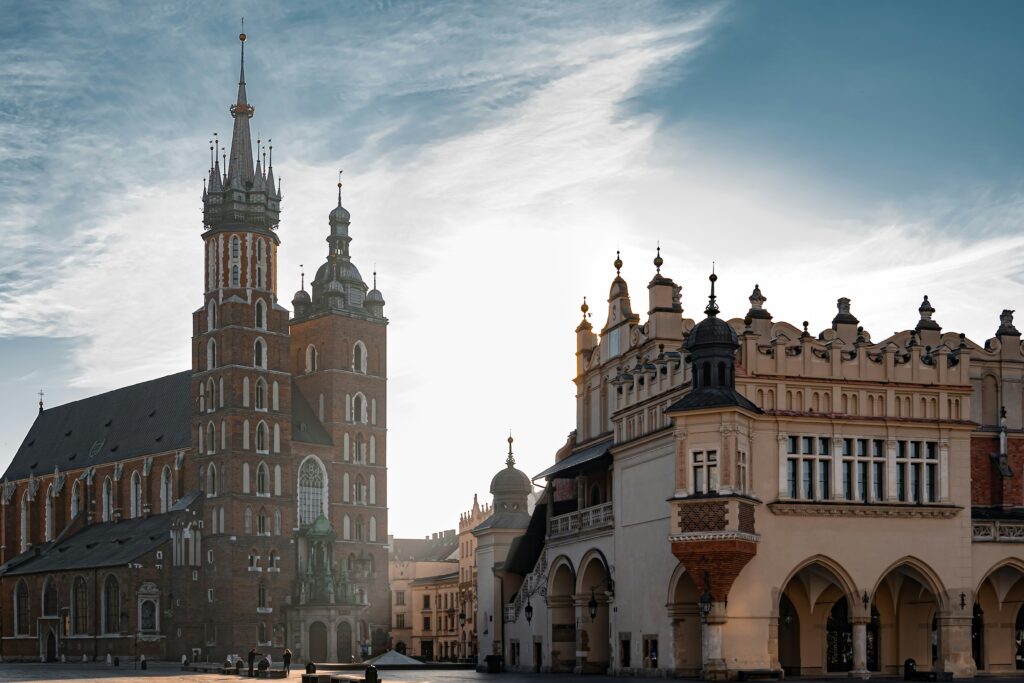
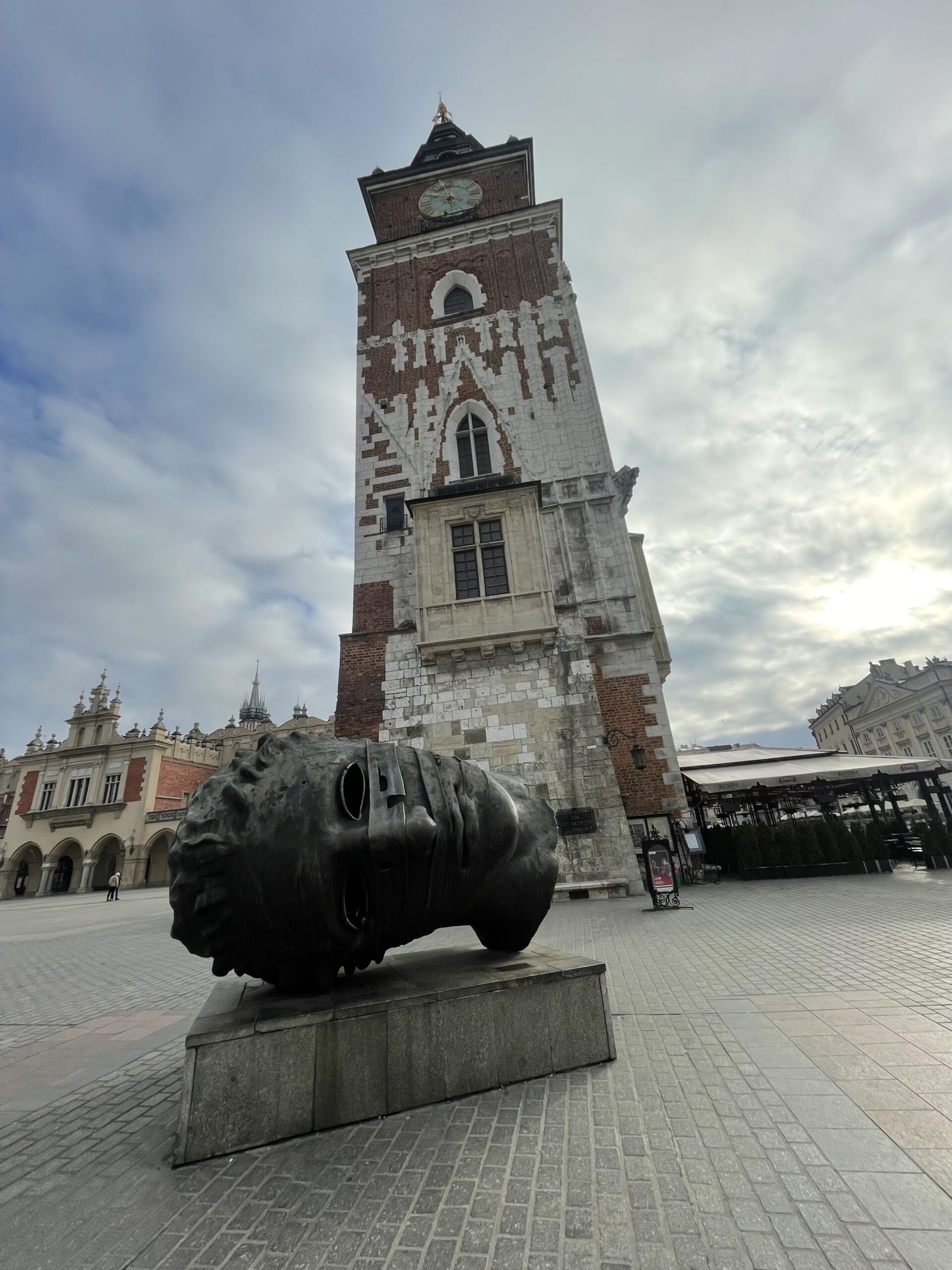
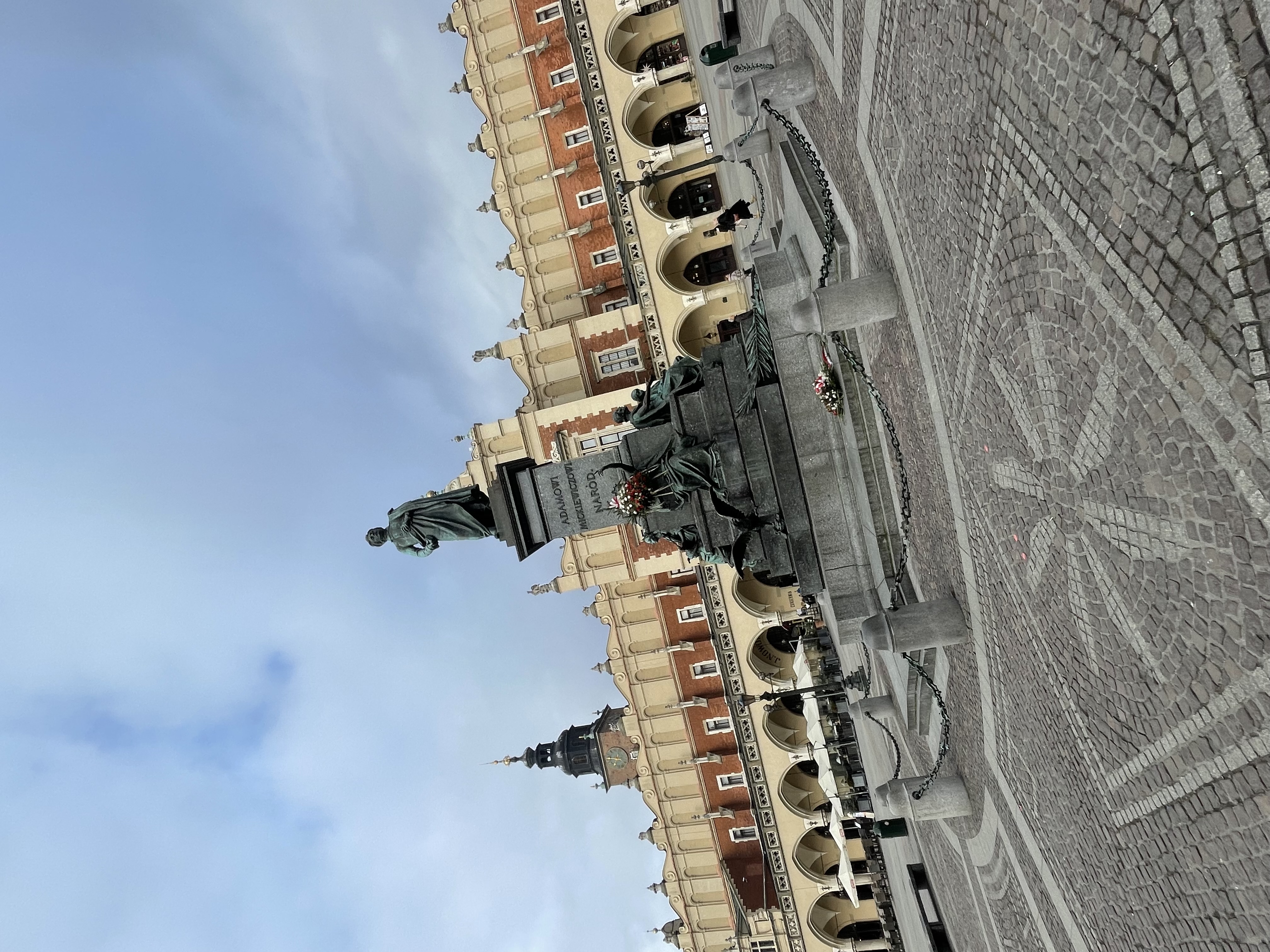
Krakow is widely regarded as one of the best-preserved medieval cities in Europe. The Old Town is centred around Rynek Główny (Main Market Square), one of the largest medieval squares on the continent. Surrounding it are Gothic churches, historic merchant houses, and cobbled streets that have remained largely unchanged for centuries.
Visitors walking through the Old Town encounter architectural landmarks such as:
- St Mary’s Basilica
- The Cloth Hall
- Historic defensive walls
Poland’s Royal Capital
For centuries Krakow served as the political and ceremonial heart of the Polish kingdom.
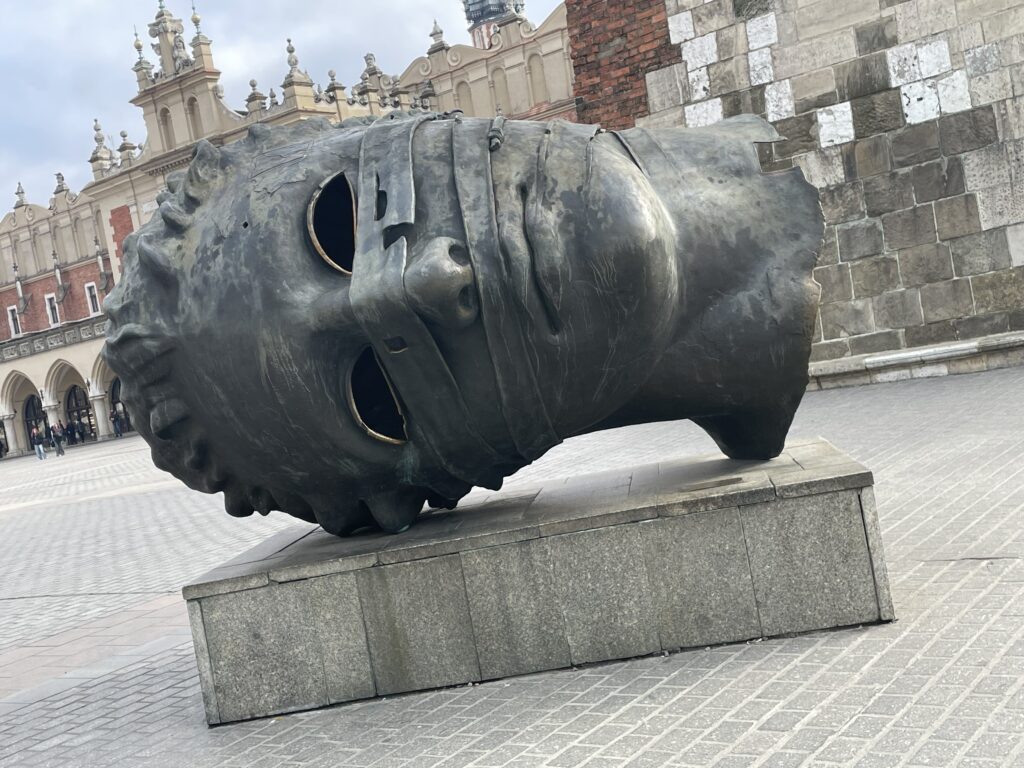
Polish monarchs were crowned and buried at Wawel Cathedral, while the royal court resided at Wawel Castle overlooking the Vistula River.
These historic royal landmarks remain among the most important national heritage sites in Poland.
A Vibrant Cultural City
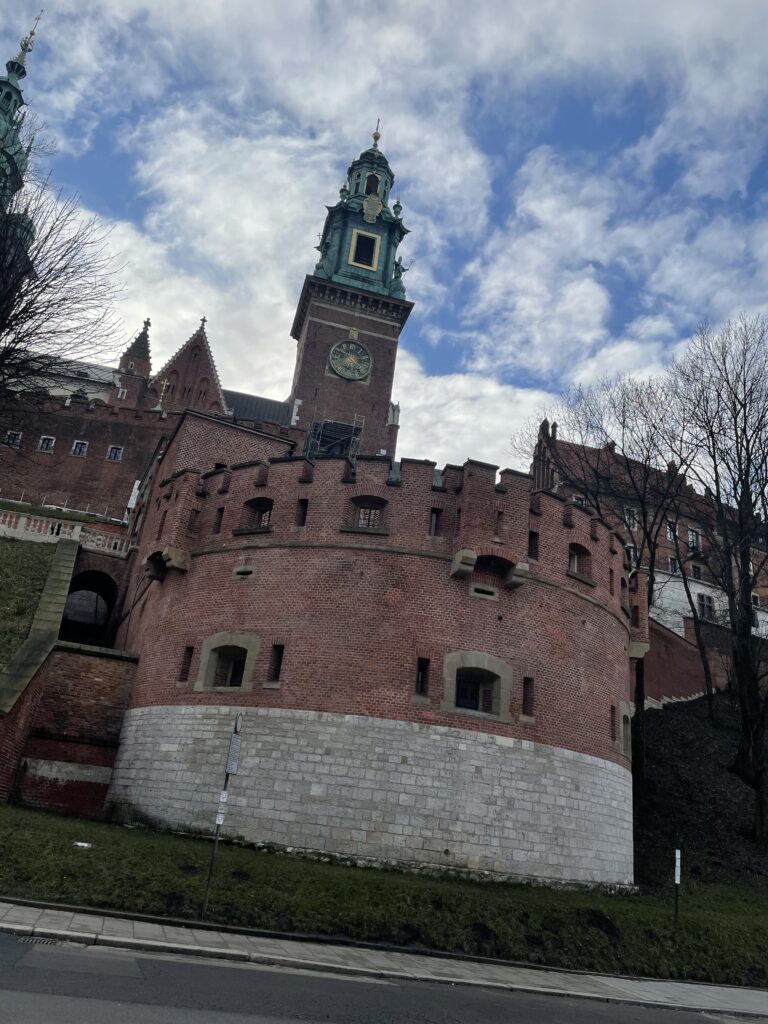
Beyond its medieval monuments, Krakow has developed into one of Central Europe’s most lively cultural destinations.
The Kazimierz district, once the historic Jewish Quarter, is now filled with:
- restaurants
- cafés
- galleries
- nightlife venues
Historic cafés, traditional Polish restaurants, and vibrant public squares give the city a distinctive cultural atmosphere that attracts both international visitors and local residents.
Is Krakow Worth Visiting?
For many travellers exploring Central Europe, Krakow consistently ranks among the region’s most rewarding destinations.
Several factors contribute to the city’s appeal.
Exceptional Historic Preservation
Unlike many European cities that suffered extensive wartime destruction, Krakow’s Old Town remained largely intact. Visitors can still experience authentic medieval urban planning, including original streets, churches, and townhouses.
The city’s historic centre is recognised as a UNESCO World Heritage Site.
Concentration of Historic Landmarks
Few European cities offer such a dense concentration of historic landmarks within walking distance.
Major attractions include:
- Wawel Castle
- St Mary’s Basilica
- Main Market Square
This makes Krakow ideal for travellers planning short city breaks.
Cultural and Historical Depth
Krakow offers not only architectural beauty but also profound historical significance.
The city played an important role in:
- Polish royal history
- Jewish cultural life
- World War II history
Museums such as the Schindler Museum provide insight into the city’s complex past.
Atmosphere and Walkability
Krakow’s pedestrian-friendly historic centre creates an inviting atmosphere for exploration.
Visitors enjoy:
- lively public squares
- historic cafés
- evening street life
For travellers seeking a historic European city that combines cultural depth with accessibility, Krakow is widely considered one of the best destinations in Central Europe.
Who This Krakow Trip Is Best For
Krakow appeals to several types of travellers.
Ideal Travellers
History lovers
Krakow’s medieval architecture, royal heritage sites, and museums make it one of Europe’s most historically significant cities.
Architecture travellers
Visitors interested in Gothic churches, medieval townhouses, and castle complexes will find an exceptional range of preserved structures.
Cultural city-break travellers
The city offers a balanced mix of sightseeing, cafés, restaurants, and nightlife suitable for multi-day city trips.
Food and café culture travellers
Traditional Polish cuisine, historic restaurants, and atmospheric cafés play an important role in Krakow’s visitor experience.
Short European city break travellers
Krakow’s compact layout makes it ideal for 2–4 day visits.
Less Ideal For
Travellers prioritising beach destinations
Krakow is a historic inland city rather than a coastal holiday destination.
Travellers seeking very modern urban experiences
Although the city has modern amenities, its primary appeal lies in historic architecture and cultural heritage rather than cutting-edge urban design.
Understanding Krakow’s Neighbourhoods
Krakow’s historic layout is relatively simple to understand.
The city developed around its medieval Old Town near the Vistula River, with several districts surrounding the historic centre.
Most major attractions are within walking distance.
Old Town (Stare Miasto)
The Old Town forms the historic heart of Krakow and contains many of the city’s most famous landmarks.
At its centre lies the Main Market Square, surrounded by medieval streets, historic churches, and traditional restaurants.
Visitors exploring this area encounter:
- St Mary’s Basilica
- The Cloth Hall
- historic townhouses
The district is encircled by Planty Park, a green ring that follows the route of the former medieval city walls.
Wawel Hill
Located just south of the Old Town, Wawel Hill rises above the Vistula River.
The hill contains one of Poland’s most important historic sites:
- Wawel Castle
- Wawel Cathedral
- defensive towers
- scenic viewpoints
For centuries this hill served as the political and ceremonial centre of the Polish kingdom.
Kazimierz
Kazimierz lies south of the Old Town and represents Krakow’s historic Jewish Quarter.
Founded in the 14th century by King Casimir III, Kazimierz developed into one of Europe’s most important centres of Jewish culture and scholarship.
Before World War II the district contained:
- synagogues
- religious schools
- marketplaces
- residential streets
During the Nazi occupation the Jewish population was forcibly relocated to the nearby Podgórze ghetto, and the historic community was largely destroyed.
In recent decades Kazimierz has undergone a cultural revival. Many historic buildings, synagogues, and memorial sites remain, while restaurants, cafés, galleries, and cultural venues have transformed the district into one of Krakow’s most vibrant neighbourhoods.
Today Kazimierz combines historic remembrance with a lively cultural atmosphere.
Podgórze
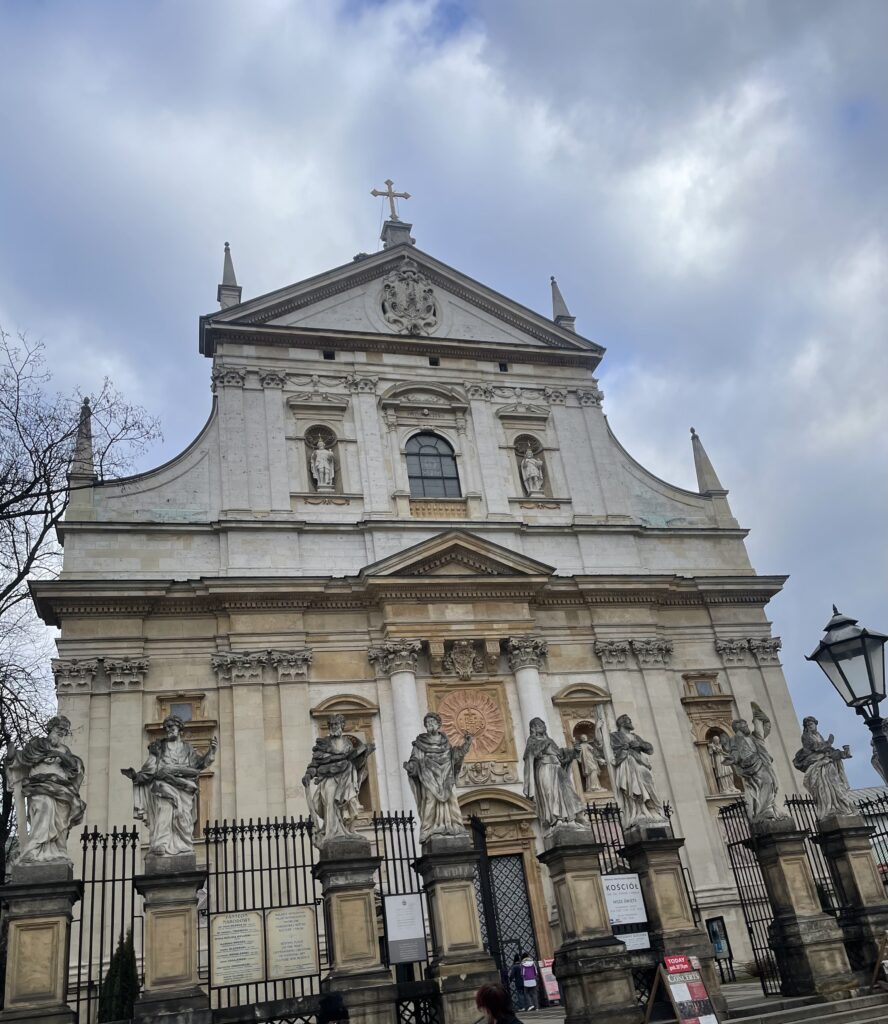
Located across the Vistula River from Kazimierz, Podgórze holds an important place in Krakow’s World War II history.
During the Nazi occupation the area was transformed into the Krakow Jewish Ghetto, where Jewish residents from Kazimierz and surrounding districts were forcibly relocated.
Today several memorial sites mark this history, and museums such as the Schindler Museum explore Krakow’s wartime experiences.
Podgórze has evolved into a quieter residential district with cafés, museums, and cultural landmarks while preserving important historical memory.
Historic Landmarks of Krakow
Krakow’s landmarks reflect nearly a thousand years of Polish history. The city’s architecture combines Gothic churches, Renaissance palaces, and historic merchant buildings.
Tier 1 – Essential Landmarks
These landmarks should be prioritised by first-time visitors with limited time.
Wawel Castle
Wawel Castle served as the residence of Polish kings for centuries and remains one of the country’s most important national monuments.
The castle complex includes:
- royal chambers
- courtyards
- towers
- museum collections
Because visitor numbers are limited for some exhibitions, booking Wawel Castle tickets in advance is recommended.
Allow 2–3 hours to explore the site.
Main Market Square (Rynek Główny)
The Main Market Square is one of Europe’s largest medieval squares and the social centre of Krakow.
Restaurants, cafés, and street performers create a lively atmosphere throughout the day and evening.
St Mary’s Basilica
Located on the edge of the square, the church is known for its distinctive twin towers and ornate Gothic interior.
Every hour a trumpet signal called the Hejnał is played from the tower.
Cloth Hall (Sukiennice)
Standing in the centre of the square, the Cloth Hall historically served as a marketplace for textiles and trade goods.
Today it contains:
- souvenir stalls
- art galleries
- historic exhibitions
Wawel Cathedral
Adjacent to Wawel Castle, the cathedral served as the coronation site for Polish monarchs.
Inside are royal tombs and chapels dedicated to national figures.
Tier 2 – Historic District Highlights
After exploring the main landmarks, travellers should prioritise:
- walking the medieval streets of the Old Town
- exploring the Kazimierz Jewish Quarter
- visiting Planty Park surrounding the historic centre
- touring the Schindler Museum in Podgórze
Tier 3 – Optional Experiences
Travellers with additional time can add:
- walking along the Vistula River
- visiting historic cafés and traditional restaurants
- exploring art galleries and smaller museums
- taking day trips from Krakow such as an Auschwitz memorial visit
Krakow Historic Timeline
| Period | Key Developments |
|---|---|
| Medieval Period | Krakow becomes a major trade centre and royal capital |
| Royal Capital Era | Wawel Castle and Cathedral become the centre of monarchy |
| 19th Century | Cultural life flourishes under Austrian rule |
| World War II | Nazi occupation devastates the Jewish population |
| Modern Krakow | Emerges as one of Central Europe’s top tourism destinations |
How Many Days Do You Need in Krakow?
2 Days in Krakow
Focus on essential highlights:
- Main Market Square
- St Mary’s Basilica
- Cloth Hall
- Wawel Castle
- Wawel Cathedral
Evenings are ideal for exploring Old Town restaurants and cafés.
3 Days in Krakow (Recommended)
Three days provides a more balanced city-break experience.
Travellers can comfortably explore:
- Old Town landmarks
- Wawel Castle complex
- Kazimierz Jewish Quarter
- museums and historic cafés
4 Days in Krakow
A four-day trip allows deeper exploration.
Possible additions include:
- visiting the Schindler Museum
- exploring Podgórze
- guided cultural tours
- day trips from Krakow
Many travellers use the extra day for an Auschwitz memorial visit.
Where to Stay in Krakow
Choosing the right neighbourhood significantly shapes the experience of a Krakow trip.
Best Area for First-time Visitors: Old Town
Advantages include:
- walking distance to major landmarks
- easy access to restaurants and cafés
- proximity to historic attractions
Most visitors searching for where to stay in Krakow will find the largest concentration of hotels and guesthouses here.
Historic Area: Kazimierz
Kazimierz offers a slightly quieter but culturally rich alternative.
The district features:
- historic streets and synagogues
- trendy restaurants and bars
- artistic atmosphere
Quiet Area: Podgórze
Podgórze offers a calmer residential environment with:
- neighbourhood cafés
- historic museums
- riverfront walks
Neighbourhood Comparison
| Neighbourhood | Atmosphere | Best For | Distance to Main Market Square |
|---|---|---|---|
| Old Town | Historic and lively | First-time visitors | 0 km |
| Kazimierz | Cultural and vibrant | Food and nightlife | 15–20 min walk |
| Podgórze | Quiet and residential | Museums and relaxed stays |
How to Get Around Krakow
Krakow is one of Europe’s easiest cities to navigate.
Walking Through the Historic Centre
Most major landmarks are concentrated within:
- Old Town
- Wawel Hill
- Kazimierz
Walking is often the best way to explore these areas.
Krakow Tram Network
Krakow’s tram system forms the backbone of public transport.
Trams connect:
- Old Town
- Kazimierz
- Podgórze
- Krakow Glowny railway station
- outer districts
Tickets can be purchased at machines, onboard, or via mobile apps.
Buses and Trains
The bus network complements tram lines and serves additional districts.
Regional trains connect Krakow with other Polish cities.
Airport Transport
John Paul II International Airport Kraków–Balice is about 11 km from the city centre.
Transport options include:
- airport train to Krakow Glowny
- airport buses
- taxis or ride-hailing services
The airport train reaches the main station in around 20 minutes.
Top Things to Do in Krakow
Essential Landmarks
Wawel Castle
Tour royal apartments, treasury collections, and historic courtyards.
Booking tickets in advance is recommended.
Main Market Square
The city’s central gathering place filled with cafés, historic buildings, and street performers.
St Mary’s Basilica
Climb the tower for views across the city and explore the Gothic interior.
Historic Districts
Old Town
Explore medieval streets, hidden courtyards, and historic architecture.
Kazimierz
Discover Jewish heritage landmarks and one of Krakow’s best dining districts.
City Viewpoints and Experiences
- Wawel Hill viewpoints overlooking the Vistula River
- Vistula River walks along scenic riverside paths
Unique Experiences
Visitors can enhance their trip with:
- historic café visits
- museum tours
- guided walking tours
- traditional Polish food tours
Suggested Krakow Itineraries
3 Day Krakow Itinerary
| Day | Key Districts | Major Landmarks |
|---|---|---|
| Day 1 | Old Town | Main Market Square, St Mary’s Basilica, Cloth Hall |
| Day 2 | Wawel Hill | Wawel Castle, Wawel Cathedral |
| Day 3 | Kazimierz | Jewish Quarter landmarks |
Day 1 – Old Town Exploration
Begin in the Main Market Square, visit St Mary’s Basilica, and explore the Cloth Hall. Spend the afternoon wandering medieval streets or relaxing in cafés.
Day 2 – Wawel Hill and Royal Krakow
Dedicate the morning to Wawel Castle and Cathedral. In the afternoon walk along the Vistula River.
Day 3 – Kazimierz District
Explore synagogues, memorials, and cultural landmarks before enjoying restaurants and nightlife.
4 Day Krakow Trip
A fourth day allows deeper exploration.
Possible additions:
- visiting the Schindler Museum
- exploring Podgórze
- guided food tours
- slower exploration of cafés and markets
Many travellers dedicate this day to an Auschwitz memorial visit from Krakow.
Food & Restaurants in Krakow
Polish cuisine plays an important role in the Krakow experience.
Traditional Polish Dishes
Visitors should try:
- Pierogi
- Żurek
- Bigos
- Kielbasa
Historic Restaurants
Many Old Town restaurants operate in historic buildings and specialise in traditional regional cuisine.
Bakeries and Cafés
Krakow has a strong café culture with historic cafés serving pastries and desserts.
Street Food and Markets
Popular quick snacks include:
- grilled sausages
- baked pastries
- market street food
Practical Travel Tips
Best Time to Visit Krakow
Spring and early autumn offer pleasant weather and fewer crowds.
Winter visits are popular for Christmas markets.
Booking Major Attractions
Reserve tickets in advance for Wawel Castle and other popular sites.
Navigating the Historic Centre
The Old Town is pedestrian-friendly and easy to explore on foot.
Public Transport Tips
24-hour or multi-day passes allow unlimited travel on trams and buses.
Accommodation Booking Advice
Book hotels in Old Town or Kazimierz several weeks in advance during peak seasons.
Common Mistakes First-Time Visitors Make
Skipping Kazimierz
The historic Jewish Quarter provides important cultural context.
Underestimating Time Needed for Wawel Castle
Allow several hours to explore the complex.
Staying Too Far Outside the Centre
Accommodation near Old Town simplifies sightseeing.
Not Exploring Beyond the Main Market Square
The wider city contains many additional historic streets and museums.
Final Planning Advice
For most travellers, a three-day trip provides the ideal balance between sightseeing and cultural exploration.
Key Planning Recommendations
- Stay in Old Town or Kazimierz
- Prioritise Wawel Castle, Main Market Square, and St Mary’s Basilica
- Explore Kazimierz to understand Krakow’s Jewish heritage
- Balance historic sightseeing with café culture and local cuisine
With its medieval architecture, royal heritage, and vibrant cultural districts, Krakow remains one of the most rewarding city-break destinations in Europe. A well-structured itinerary allows visitors to experience the depth of the city’s history while enjoying its lively contemporary atmosphere.