
Quick Facts About Berlin
Berlin is the capital of Germany and one of Europe’s most historically significant and culturally dynamic cities. It sits in northeastern Germany and serves as the country’s political, cultural, and creative center.
For first-time visitors, Berlin can feel vast and complex compared to many European capitals. Understanding a few key facts helps provide immediate orientation when planning a trip.
Language: German
Currency: Euro (€)
Airport: Berlin Brandenburg Airport (BER)
Best Trip Length: 3-4 days for the main sights, 4–5 days for a relaxed city break
City Character: Historic capital shaped by 20th-century history, vibrant neighbourhood culture, world-class museums, and famous nightlife
Why Visit Berlin
Berlin stands apart from most European capitals. While cities like Paris or Rome are defined by centuries-old architecture and preserved historic centers, Berlin is shaped by a more complex story of destruction, division, and reinvention.
The city’s appeal lies in how it blends profound history with modern cultural energy.
A City Shaped by 20th-Century History
Few cities in the world reflect the dramatic events of the 20th century as clearly as Berlin.
Major historical layers include:
- the rise and fall of Nazi Germany
- the destruction of World War II
- the Cold War division between East and West
- the Berlin Wall and its eventual fall in 1989
- German reunification
Many of the city’s most important landmarks are memorials, museums, or preserved sites from these periods. Visiting them provides powerful insight into modern European history.
One of Europe’s Great Museum Cities
Berlin is home to world-class museums covering archaeology, art, culture, and modern history.
The most famous collection sits on Museum Island, a UNESCO World Heritage site that contains five major museums, including the Pergamon Museum and Neues Museum.
Across the city, you’ll find:
- WWII documentation centers
- Cold War museums
- modern art galleries
- cultural institutions
For travellers interested in history and culture, Berlin rivals cities like London and Paris in the depth of its collections.
A Creative and Cultural Capital
Berlin has long been known for its creative energy.
After the fall of the Berlin Wall, abandoned industrial buildings, warehouses, and apartments became spaces for artists, musicians, and cultural experimentation. This helped create the city’s modern reputation as one of Europe’s most creative capitals.
Today Berlin is known for:
- street art and murals
- alternative cultural spaces
- contemporary galleries
- independent music scenes
Neighbourhoods like Kreuzberg and Friedrichshain showcase this creative identity.
One of Europe’s Most Famous Nightlife Cities
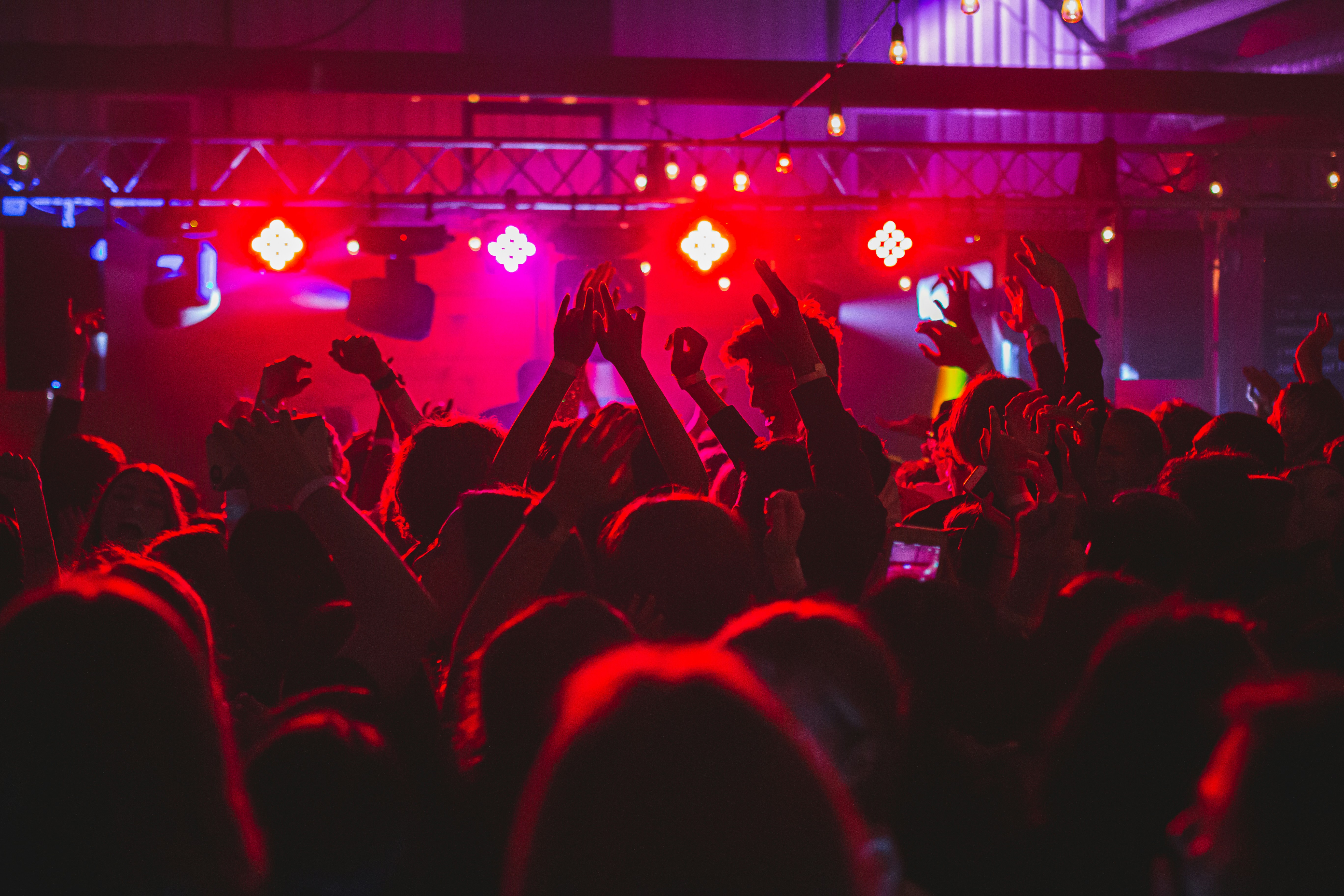
Berlin’s nightlife is legendary. The city’s club culture developed in the early 1990s after reunification and remains one of the most influential electronic music scenes in the world.
From massive techno clubs to small underground venues and relaxed neighbourhood bars, the nightlife scene is diverse and constantly evolving.
For travellers interested in music and nightlife, Berlin is often considered Europe’s top destination.
Is Berlin Worth Visiting?
For many travellers planning a European city break, the key question is simple: is Berlin worth visiting?
The answer depends largely on what type of experience you want from a destination.
Berlin is especially appealing for travellers interested in:
- modern European history
- museums and cultural institutions
- nightlife and creative culture
- alternative neighbourhoods and urban exploration
Unlike cities such as Prague or Vienna, Berlin is not defined by preserved medieval architecture or romantic old-town streets. Much of the city was destroyed during World War II and rebuilt during the Cold War.
As a result, Berlin feels more modern, experimental, and raw than many other European capitals.
Travellers who tend to enjoy Berlin the most include:
- history enthusiasts
- museum-focused travellers
- urban culture explorers
- travellers seeking nightlife and music scenes
Travellers looking primarily for picturesque architecture, scenic landscapes, or romantic historic squares may prefer cities like Prague, Vienna, or Budapest.
However, for cultural depth, historical importance, and creative energy, Berlin is widely considered one of Europe’s most compelling cities.
History & Memorial Sites in Berlin
Understanding Berlin’s history is essential to understanding the city itself. Many of the most important places to visit are tied directly to the dramatic events of the 20th century.
Below are some of the key historical sites that help explain Berlin’s transformation.
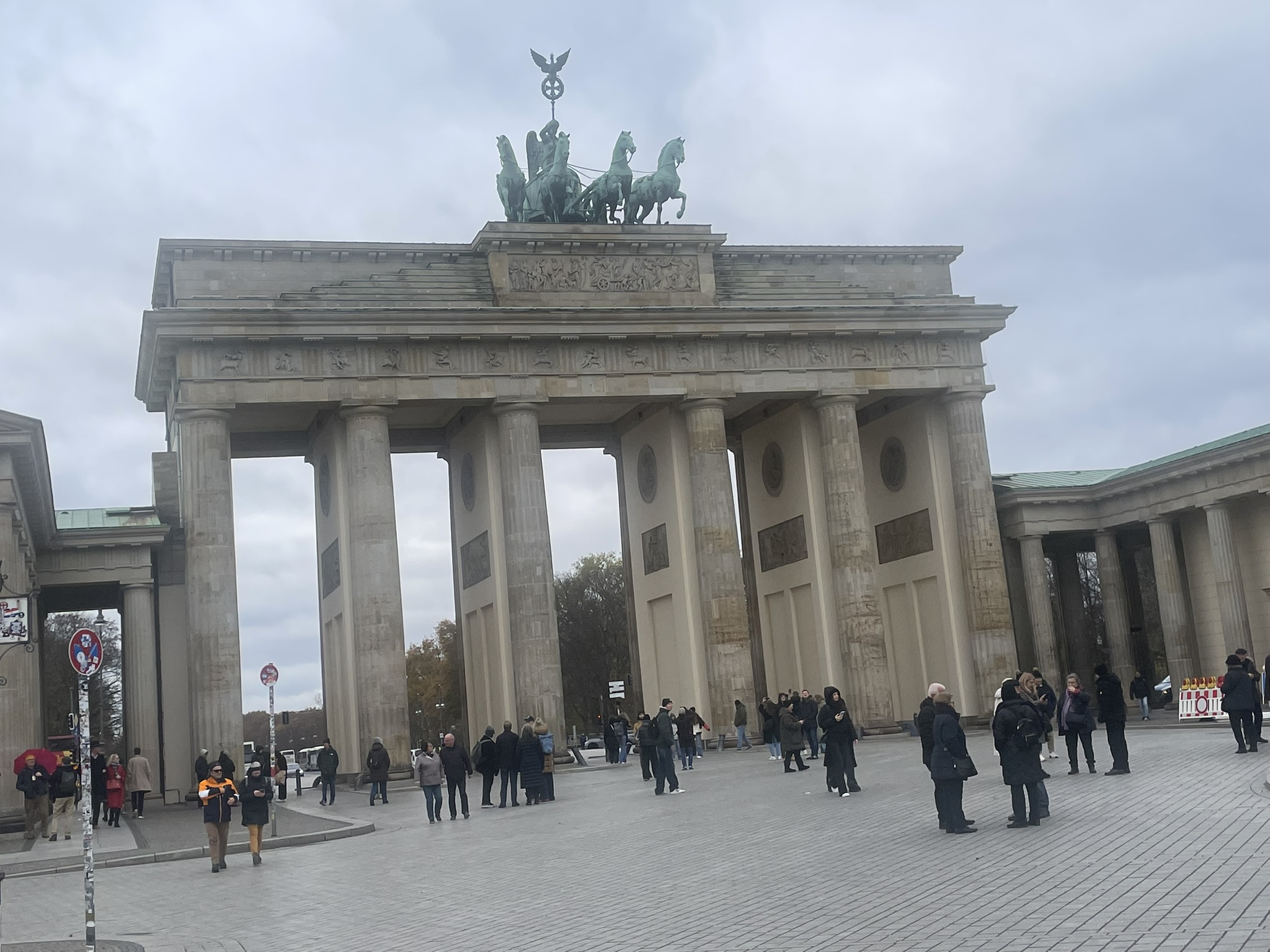
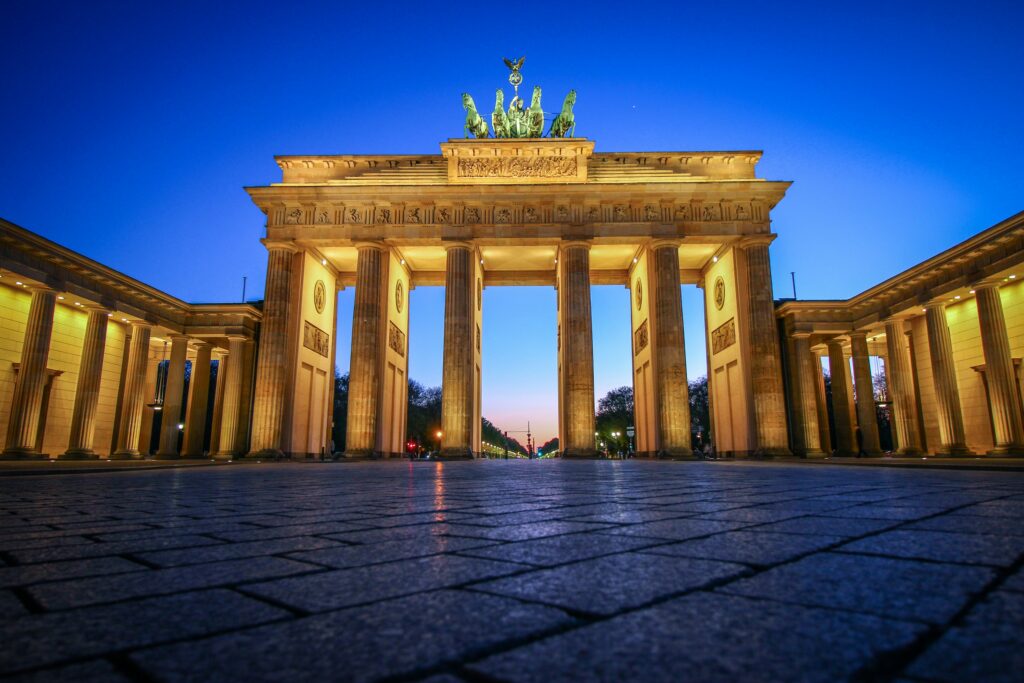
Brandenburg Gate
The Brandenburg Gate is one of the most recognisable landmarks in Germany.
Built in the late 18th century as a neoclassical triumphal arch, it has witnessed many defining moments in German history. During the Cold War, the gate stood directly beside the Berlin Wall and became a symbol of division between East and West.
After the fall of the wall in 1989, it became a symbol of German reunification.
Today the Brandenburg Gate sits at the heart of Berlin and marks the western entrance to the historic boulevard Unter den Linden.
Berlin Wall Memorial
The Berlin Wall once stretched more than 150 kilometres around West Berlin, physically dividing the city from 1961 until 1989.
The Berlin Wall Memorial on Bernauer Strasse preserves one of the most complete sections of the wall and the surrounding border fortifications.
Visitors can see:
- original wall segments
- watchtowers
- the former “death strip” between barriers
- documentation exhibits explaining escape attempts and the daily realities of a divided city
This is one of the most powerful places in Berlin for understanding Cold War history.
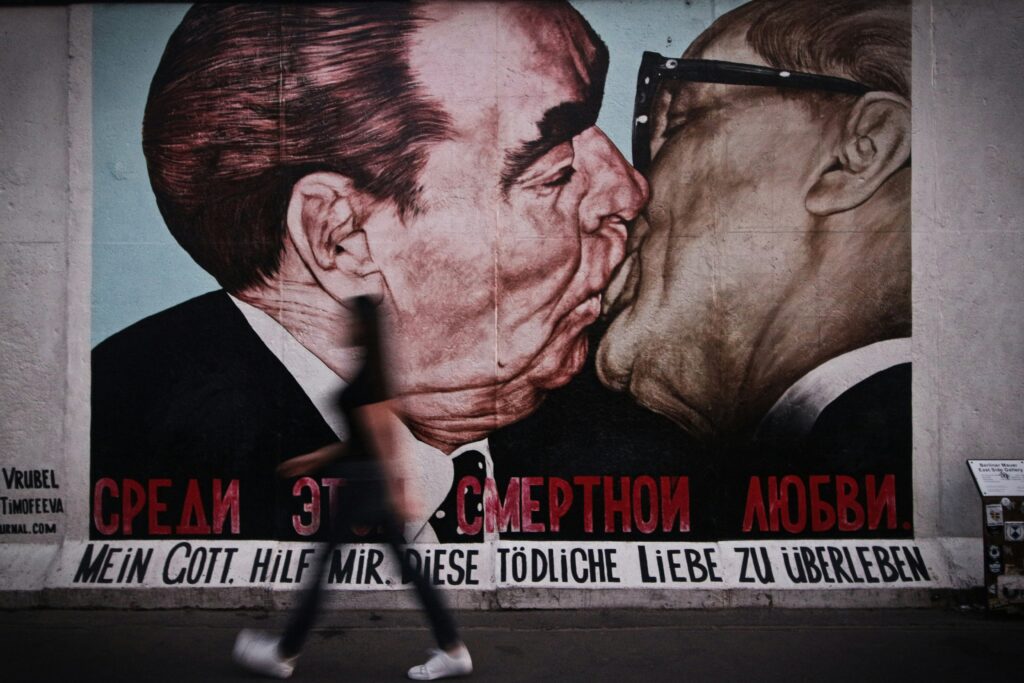
East Side Gallery
The East Side Gallery is the longest surviving section of the Berlin Wall.
Stretching about 1.3 kilometres along the River Spree, the wall was transformed into an open-air art gallery after the fall of the wall.
Artists from around the world painted murals celebrating freedom, unity, and political change.
Today it is both a historical monument and one of Berlin’s most photographed landmarks.
Holocaust Memorial
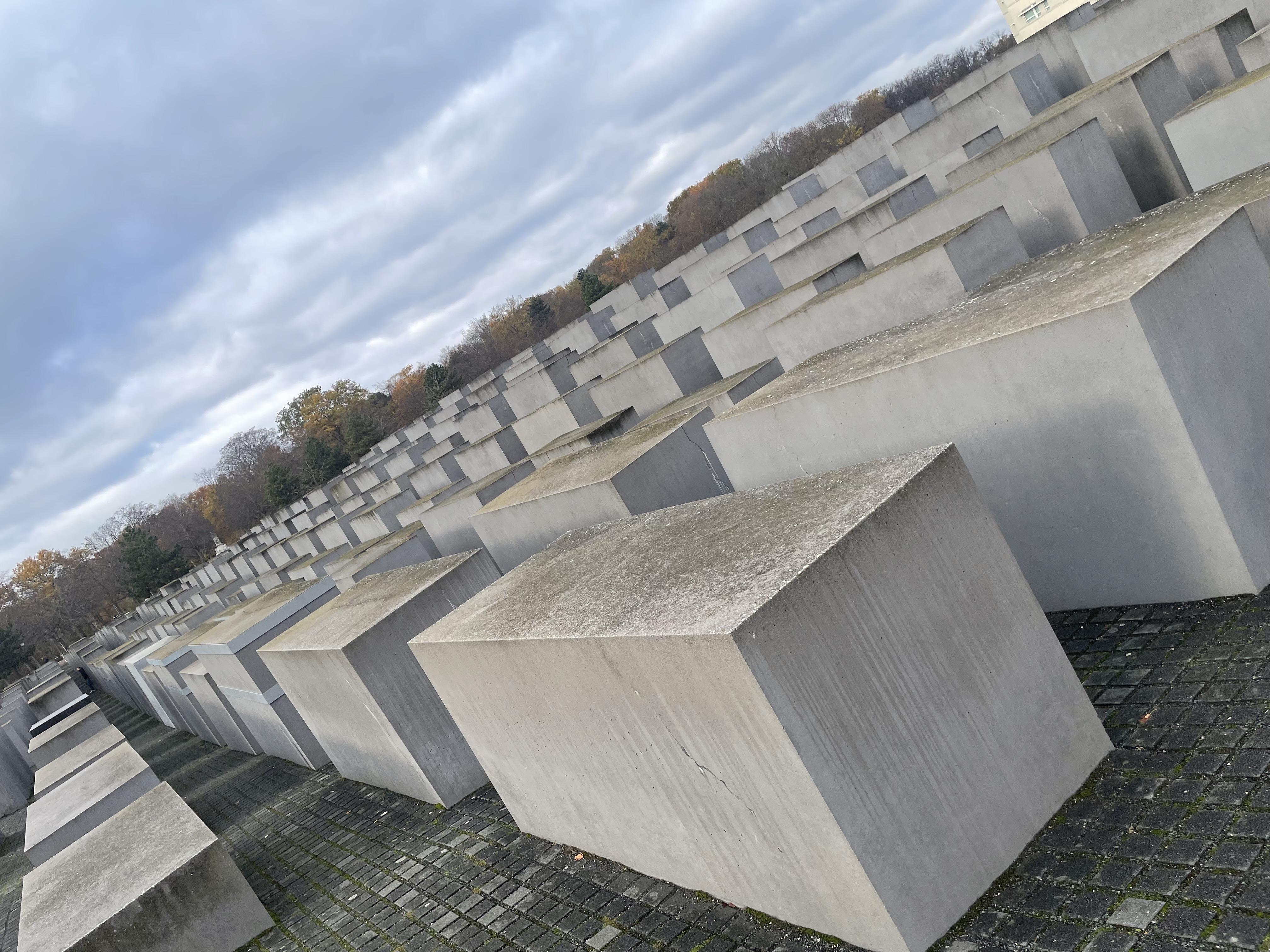
The Memorial to the Murdered Jews of Europe, often called the Holocaust Memorial, sits near the Brandenburg Gate.
The site consists of 2,711 concrete slabs arranged across a large open plaza. Walking through the rows of slabs creates a disorienting experience intended to evoke reflection and remembrance.
Below the memorial is an underground exhibition documenting the lives and stories of Holocaust victims.
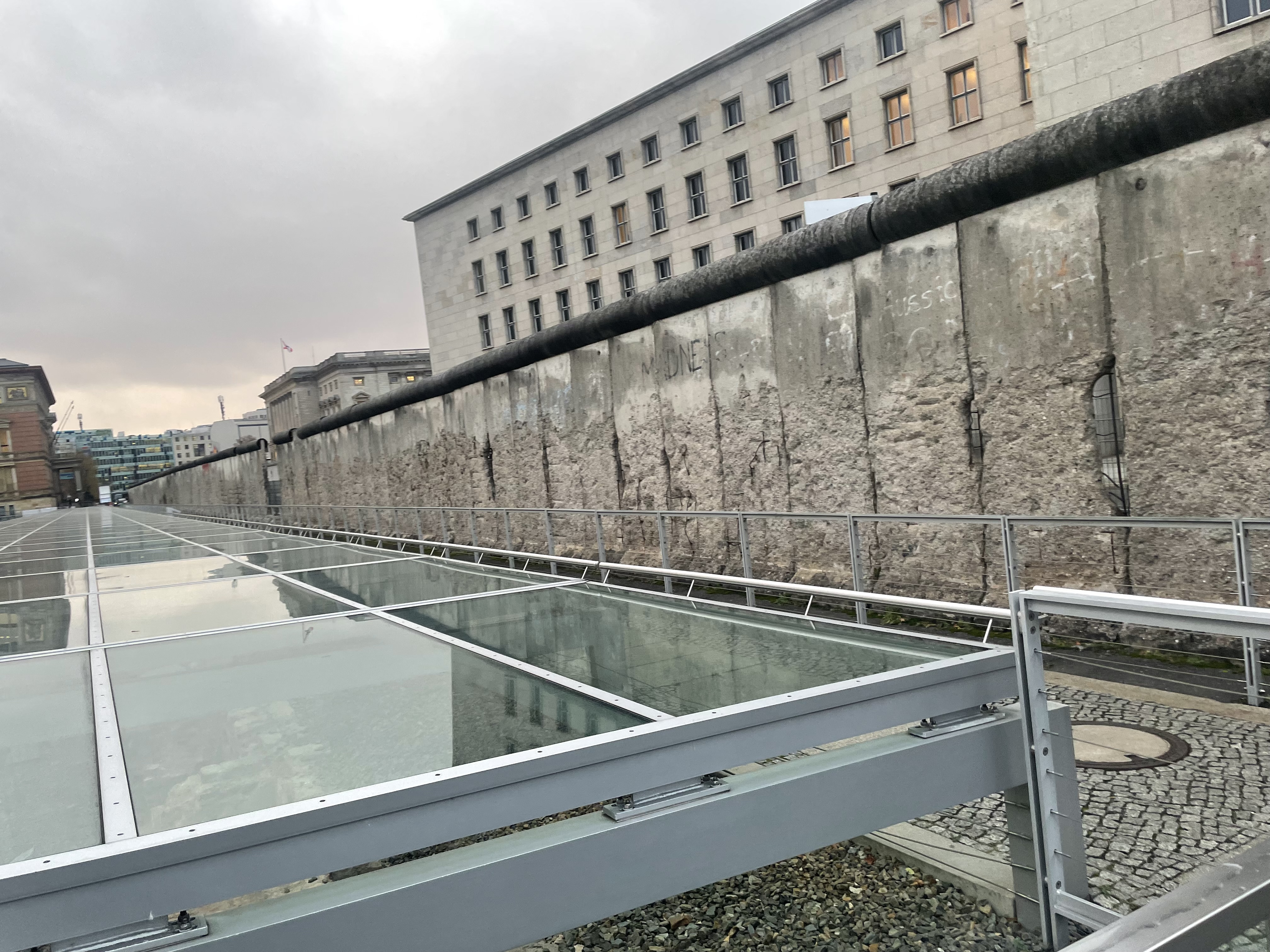
Topography of Terror
Located on the former site of the Gestapo and SS headquarters, the Topography of Terror museum documents the institutions responsible for Nazi persecution and war crimes.
Outdoor exhibits stand directly beside preserved sections of the Berlin Wall, reinforcing how different periods of history intersect in the same physical spaces.
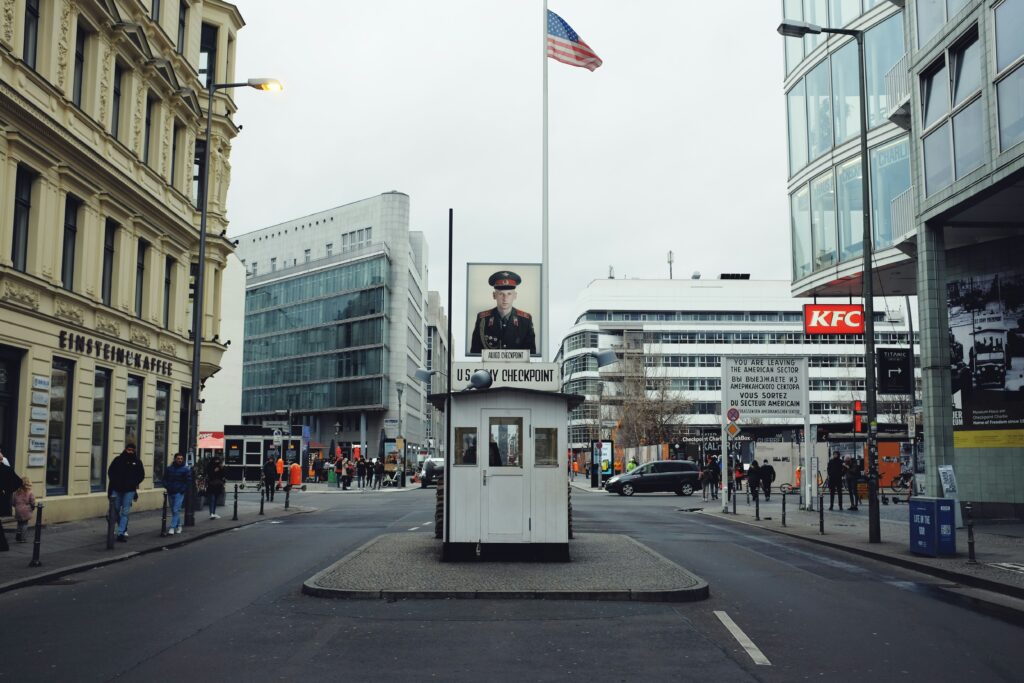
Checkpoint Charlie
Checkpoint Charlie was the best-known border crossing between East and West Berlin during the Cold War.
While the original checkpoint has largely disappeared, the site remains an important symbolic location connected to Cold War tensions, including the famous 1961 tank standoff between US and Soviet forces.
Nearby museums explore escape attempts and the stories of those who tried to cross the border.
Timeline: Berlin’s Division and Reunification
To understand these sites, it helps to place them within a simple historical timeline:
| Year | Event |
| 1945 | Berlin captured by Allied forces at the end of WWII |
| 1949 | Germany divided into East Germany (GDR) and West Germany |
| 1961 | Berlin Wall constructed |
| 1989 | Fall of the Berlin Wall |
| 1990 | German reunification |
Many of Berlin’s most important attractions are connected to these events.
Who This Berlin Trip Is Best For
Berlin appeals strongly to certain types of travellers.
Understanding this helps set expectations for your visit.
Ideal for History Enthusiasts
Few cities offer as many historically significant sites concentrated within one urban area.
Travellers interested in:
- WWII history
- Cold War politics
- modern European history
will find Berlin particularly rewarding.
Ideal for Museum Travellers
With dozens of major museums, Berlin is a strong destination for travellers who enjoy cultural institutions.
Museum Island alone can occupy a full day or more.
Ideal for Nightlife Travellers
Berlin’s club culture is internationally famous. The city offers everything from underground techno venues to relaxed neighbourhood bars and live music spaces.
Ideal for Short City Breaks
Berlin works well as a 3–5 day city break because many major attractions cluster around central districts like Mitte.
However, the city is large, so planning an itinerary helps ensure you see the most important places.
Less Ideal for Architecture-focused Travellers
Visitors expecting romantic medieval streets and ornate historic centers may find Berlin different from cities like Prague or Vienna.
Much of the city’s architecture is modern or post-war reconstruction.
How Many Days Do You Need in Berlin?
Berlin is a large city with an enormous number of cultural sites. The ideal trip length depends on how deeply you want to explore its museums and neighbourhoods.
2 Days in Berlin
Two days allows you to see the most famous landmarks but requires a tight schedule.
A typical 2-day trip might include:
Day 1
- Brandenburg Gate
- Reichstag building
- Holocaust Memorial
- Unter den Linden
- Museum Island exterior
Day 2
- Berlin Wall Memorial
- East Side Gallery
- Kreuzberg or Friedrichshain neighbourhood exploration
This itinerary works for travellers combining Berlin with other European cities.
3 Days in Berlin – my Recommendation
Three days is the ideal length for most first-time visitors.
This allows you to combine:
- historical sites
- museum visits
- neighbourhood exploration
- nightlife or food experiences
A 3-day trip provides enough time to understand Berlin’s historical context without rushing.
This length of stay gives most first-time visitors enough time to experience Berlin’s key historical sites, explore at least one museum collection, and spend time discovering neighbourhood culture.
4-5 Days in Berlin
With four or five days you can explore Berlin more deeply.
Additional experiences might include:
- multiple museums on Museum Island
- art galleries and cultural spaces
- parks such as Tiergarten
- neighbourhood markets and cafés
- extended nightlife exploration
- a possible day trip to Potsdam
Travellers interested in museums and history often appreciate the extra time.
Where to Stay in Berlin
Berlin’s main visitor areas cluster across central districts such as Mitte, Kreuzberg, Friedrichshain and Prenzlauer Berg, all connected by the city’s extensive U-Bahn and S-Bahn network. Staying near these transport lines makes exploring the city significantly easier.
Berlin is a sprawling city, and choosing the right neighbourhood makes a major difference to your experience.
Most first-time visitors should prioritise locations with strong public transport connections and proximity to major attractions.
Best Area for First-Time Visitors: Mitte
Mitte is Berlin’s historic center and the most convenient area for sightseeing.
Major landmarks within walking distance include:
- Brandenburg Gate
- Museum Island
- Berlin Cathedral
- Reichstag
- Unter den Linden
Advantages of staying in Mitte:
- central location
- excellent transport connections
- easy access to historical sites
Many first-time visitors choose hotels here for convenience.
Nightlife Areas: Friedrichshain & Kreuzberg
Friedrichshain and Kreuzberg sit east and south of the city center and are known for their creative culture and nightlife scenes.
These neighbourhoods are famous for:
- electronic music clubs
- alternative cultural spaces
- street art
- diverse international food
Travellers interested in nightlife often prefer staying in these areas.
Friedrichshain also sits near the East Side Gallery and the River Spree.
Quiet Local Neighbourhoods: Prenzlauer Berg & Charlottenburg
For travellers seeking a more relaxed atmosphere, these districts offer quieter environments while still providing easy access to the city.
Prenzlauer Berg
Known for:
- cafés and brunch culture
- boutique shops
- leafy streets and parks
Charlottenburg
Located in western Berlin, Charlottenburg offers:
- elegant boulevards
- shopping streets such as Kurfürstendamm
- proximity to Charlottenburg Palace
These areas are especially popular with families and travellers seeking calmer surroundings.
How to Get Around Berlin
Berlin’s public transport network is extensive and easy to use once you understand the basic system.
Most visitors rely on a combination of the U-Bahn, S-Bahn, trams, and buses.
U-Bahn (Underground Metro)
The U-Bahn is Berlin’s underground metro system.
It connects most central districts and is the fastest way to travel between major attractions.
Key features:
- frequent service
- clear station signage
- easy transfers between lines
S-Bahn (Suburban Rail)
The S-Bahn operates above ground for much of its network and connects the city center with outer districts and the airport.
Two lines are particularly useful for visitors:
- the Ringbahn (circular line around central Berlin)
- lines connecting Berlin Brandenburg Airport to the city
Trams and Buses
Trams are common in eastern Berlin and can be useful for short distances.
Buses fill gaps in the rail network and run throughout the city.
Ticket Zones
Berlin’s public transport uses a zone system:
- Zone A: city center
- Zone B: outer districts
- Zone C: surrounding region including Potsdam
Most tourists only need AB tickets.
Ticket Options
Visitors commonly use:
- single journey tickets
- day passes
- multi-day passes
Tickets must be validated before travel.
Airport Transport
Berlin Brandenburg Airport is connected to the city by:
- S-Bahn lines
- regional trains
- airport express services
The journey to central Berlin typically takes 30-40 minutes.
Top Things to Do in Berlin
If you only have a few days in Berlin, start with the city’s most historically significant landmarks before exploring museums and neighbourhoods. For most first-time visitors, essential highlights include the Brandenburg Gate, the Reichstag building, Museum Island, and the Berlin TV Tower. These landmarks provide a strong introduction to Berlin’s history, culture, and skyline.
Berlin offers a wide range of attractions, but first-time visitors should prioritise a curated set of highlights that capture the city’s history, culture, and modern identity.
Historic Landmarks
These locations form the foundation of most Berlin itineraries.
Brandenburg Gate
Berlin’s most iconic monument and a symbol of German reunification.
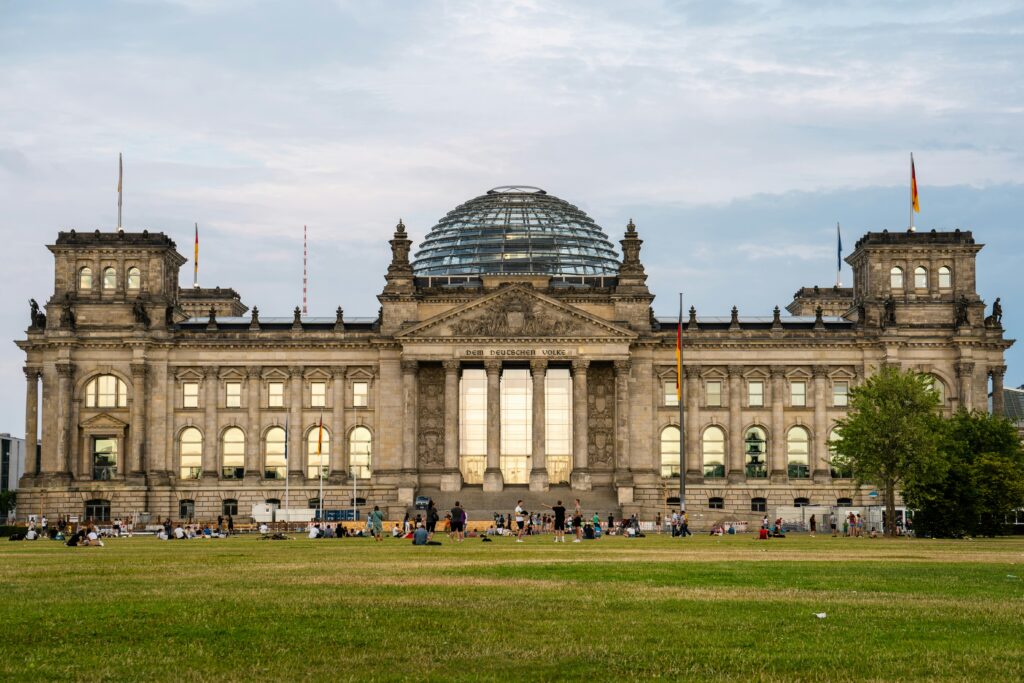
Reichstag Building
The German parliament building features a modern glass dome that visitors can climb for panoramic views of the city.
Museums and Cultural Institutions
Berlin’s museum scene is one of the strongest in Europe.
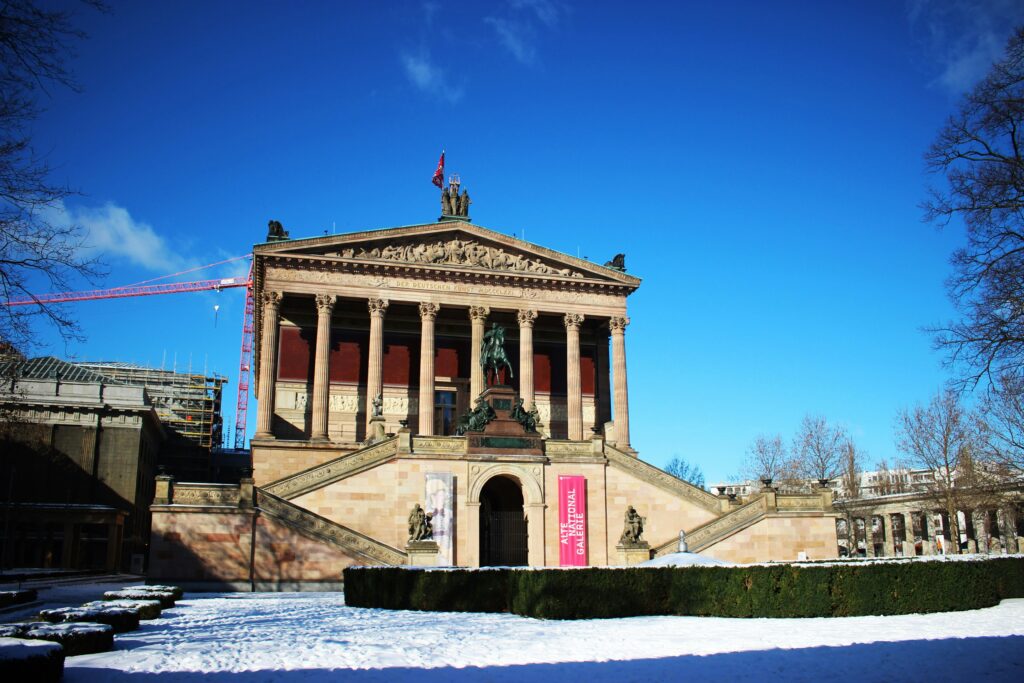
Museum Island
This UNESCO World Heritage site includes five major museums, including:
- Pergamon Museum
- Neues Museum
- Altes Museum
Berlin Cathedral
Located near Museum Island, the cathedral offers impressive architecture and views from its dome.
Berlin TV Tower (Fernsehturm)
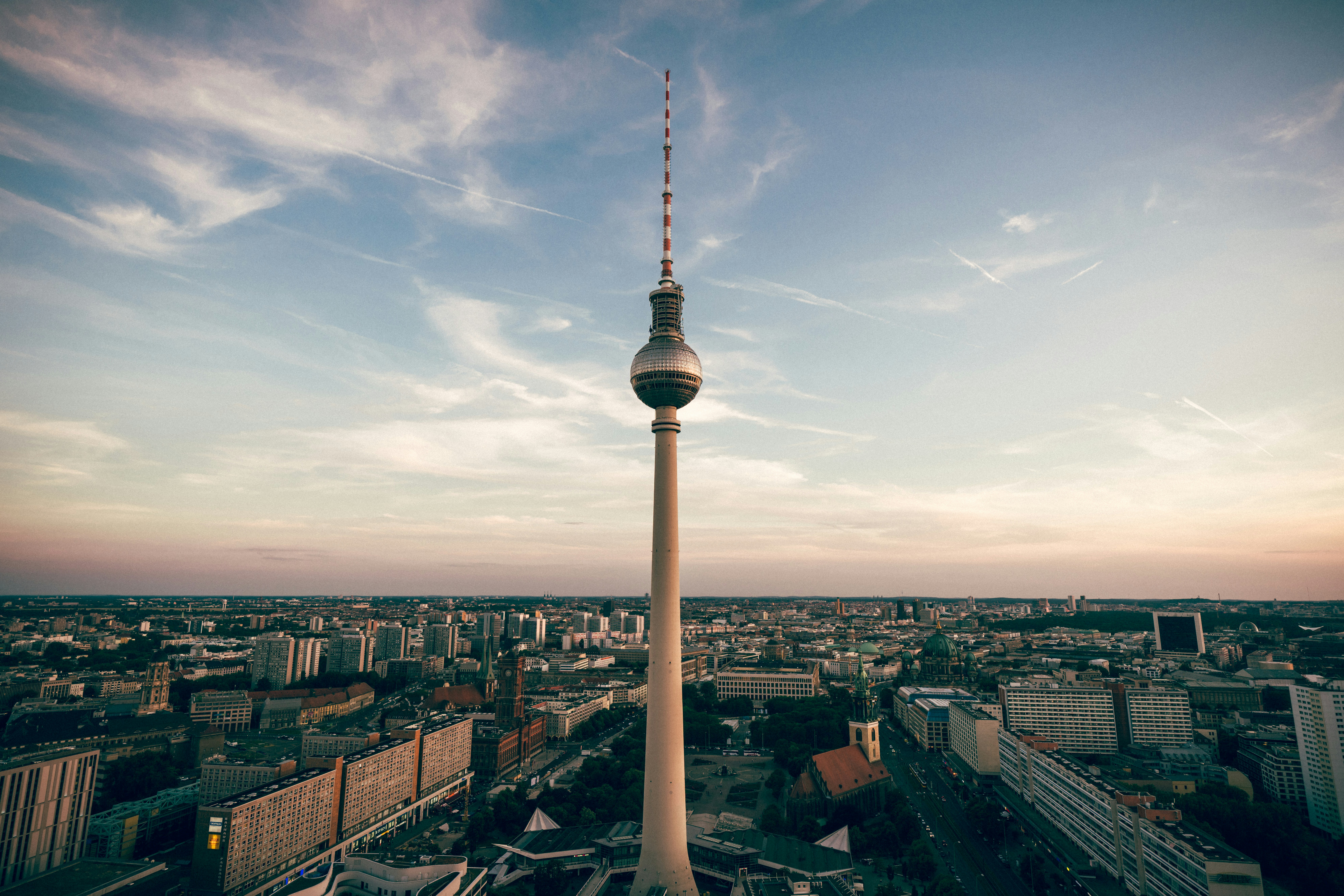
The Berlin TV Tower is the tallest structure in Germany and one of the most recognisable landmarks in the city. Standing 368 metres high near Alexanderplatz, the tower dominates Berlin’s skyline.
Visitors can take a high-speed elevator to the observation deck, which provides panoramic views across the city. From the top you can often see major landmarks including the Reichstag, Brandenburg Gate, and the winding River Spree.
Timed-entry tickets are recommended because queues can become long during peak travel periods.
Modern Berlin
To understand Berlin today, visitors should explore areas that reflect the city’s modern creative culture.
East Side Gallery
The longest preserved section of the Berlin Wall, now covered in murals.
Neighbourhood Exploration
Districts like Kreuzberg and Friedrichshain reveal Berlin’s street art, cafés, bars, and independent cultural spaces.
Parks and Markets
Green spaces like Tiergarten and neighbourhood markets provide a break from historical sightseeing.
Suggested Berlin Itineraries
Turning Berlin’s many attractions into a structured plan helps maximise a short city break.
3 Day Berlin Itinerary
A three-day itinerary balances historical sites, museums, and neighbourhood exploration.
Day 1 – Historic Berlin
- Brandenburg Gate
- Reichstag
- Holocaust Memorial
- Walk along Unter den Linden
- Berlin Cathedral
- Evening in Mitte
Day 2 – Museums and Cold War History
- Museum Island museums
- Topography of Terror
- Checkpoint Charlie
- Berlin Wall Memorial
Day 3 – Modern Berlin
- East Side Gallery
- Explore Friedrichshain or Kreuzberg
- street art and cafés
- nightlife or riverfront areas
4-5 Day Berlin Trip
With additional days you can expand your exploration.
Possible additions include:
- visiting multiple Museum Island museums
- exploring Prenzlauer Berg
- visiting Charlottenburg Palace
- relaxing in Tiergarten park
- exploring local markets and food districts
- optional day trip to Potsdam
This extended trip allows a more relaxed pace and deeper cultural exploration.
Food & Restaurants in Berlin
Berlin’s food scene reflects the city’s international population and multicultural history.
Currywurst
Currywurst is one of Berlin’s most famous street foods.
It consists of sliced sausage topped with curry ketchup and served with fries or bread.
Döner Kebab
Berlin’s Turkish community helped popularise the modern döner kebab.
Today it is one of the city’s most common and beloved street foods.

Beer Culture
Germany’s beer culture is well represented in Berlin.
Visitors can experience:
- traditional beer halls
- craft breweries
- relaxed neighbourhood bars
International Cuisine
Berlin’s dining scene includes restaurants from across the world, including Middle Eastern, Asian, and Eastern European cuisines.
Neighbourhoods like Kreuzberg and Neukölln are particularly known for diverse food options.
Food Neighbourhoods in Berlin
Berlin’s food culture is closely tied to its neighbourhoods. Kreuzberg and Neukölln are particularly well known for Turkish and Middle Eastern cuisine, reflecting the city’s large immigrant communities. Street food markets and food halls such as Markthalle Neun also showcase Berlin’s diverse culinary scene, offering everything from traditional German dishes to international street food. Exploring these districts is often one of the best ways to experience Berlin’s local dining culture.
Practical Travel Tips
A few practical tips can make your Berlin trip significantly smoother.
Best Time to Visit
Berlin is enjoyable year-round. The most popular months to visit Berlin are May to September, when the city has long daylight hours, outdoor events, and comfortable temperatures.
Summer offers outdoor events, festivals, and long daylight hours.
Book Major Attractions in Advance
Popular sites such as the Reichstag dome require advance reservations.
Booking ahead helps avoid long queues.
Consider Museum Passes
Travellers planning to visit multiple museums may benefit from multi-museum passes that provide entry to several institutions.
Language Expectations
While German is the official language, most people working in tourism speak English.
Learning a few basic German phrases is appreciated but not essential.
Cash vs Card
Many places accept cards, but smaller cafés and bars sometimes prefer cash.
Carrying some euros is recommended.
Common Mistakes First-time Visitors Make
Underestimating Berlin’s Size
Berlin is geographically large. Attractions are spread across multiple districts, so transport planning is important.
Overloading Museum Visits
Berlin’s museums are extensive. Trying to visit too many in a short time can lead to fatigue.
Prioritise a few key institutions instead.
Ignoring Neighbourhood Exploration
Many travellers focus only on famous landmarks.
However, Berlin’s neighbourhoods often provide the most memorable experiences.
Misunderstanding Transport Zones
Visitors sometimes purchase the wrong ticket zones.
Most travellers only need AB zone tickets unless visiting Potsdam or the surrounding region.
Final Planning Advice
For most travellers, three to four days is the ideal amount of time to experience Berlin.
During this time you can:
- explore the city’s most important historical landmarks
- visit world-class museums
- discover creative neighbourhoods
- experience Berlin’s diverse food and nightlife scenes
Staying in Mitte provides the most convenient base for first-time visitors, while districts like Kreuzberg and Friedrichshain reveal the city’s modern cultural identity.
Berlin is not defined by a single historic center or architectural style. Instead, it is a city built from layers of history, transformation, and cultural experimentation.
Approaching the city with curiosity about its past and openness to its evolving culture makes a Berlin trip especially rewarding.